ABC News - Breaking News, Latest News and Videos
Jun 23, 3:03 PM EDT
Current Situation
Publicly sourced Hantavirus reports and monitoring notes, mapped for quick context.
Last checked Sep 17, 2026, 8:10 AM EDT
Sources monitored: CDC, WHO
Linked cases
8
Confirmed
6
Deaths
3
Map markers reflect publicly available reporting and source-reviewed updates. This is not official surveillance, emergency guidance, or medical advice.
Updated hourly with recent Hantavirus coverage from public reporting sources.
Last checked Jun 23, 2026, 3:46 PM EDT
ABC News - Breaking News, Latest News and Videos
Jun 23, 3:03 PM EDT
Nebraska Public Media
Jun 23, 1:54 PM EDT

ABC News - Breaking News, Latest News and Videos
Jun 23, 1:38 PM EDT

KETV
Jun 23, 12:32 PM EDT

AP News
Jun 23, 11:53 AM EDT

GV Wire
Jun 23, 11:39 AM EDT

WOWT
Jun 23, 11:18 AM EDT

Scripps News
Jun 23, 11:17 AM EDT

Straight Arrow News - SAN - Unbiased. Straight Facts.
Jun 23, 11:05 AM EDT

Aggregated from external coverage. Hantavirus Now does not publish these articles.
90-Second Reads
Updated hourly with condensed summaries of recent coverage.
Last checked Jun 23, 2026, 4:26 PM EDT
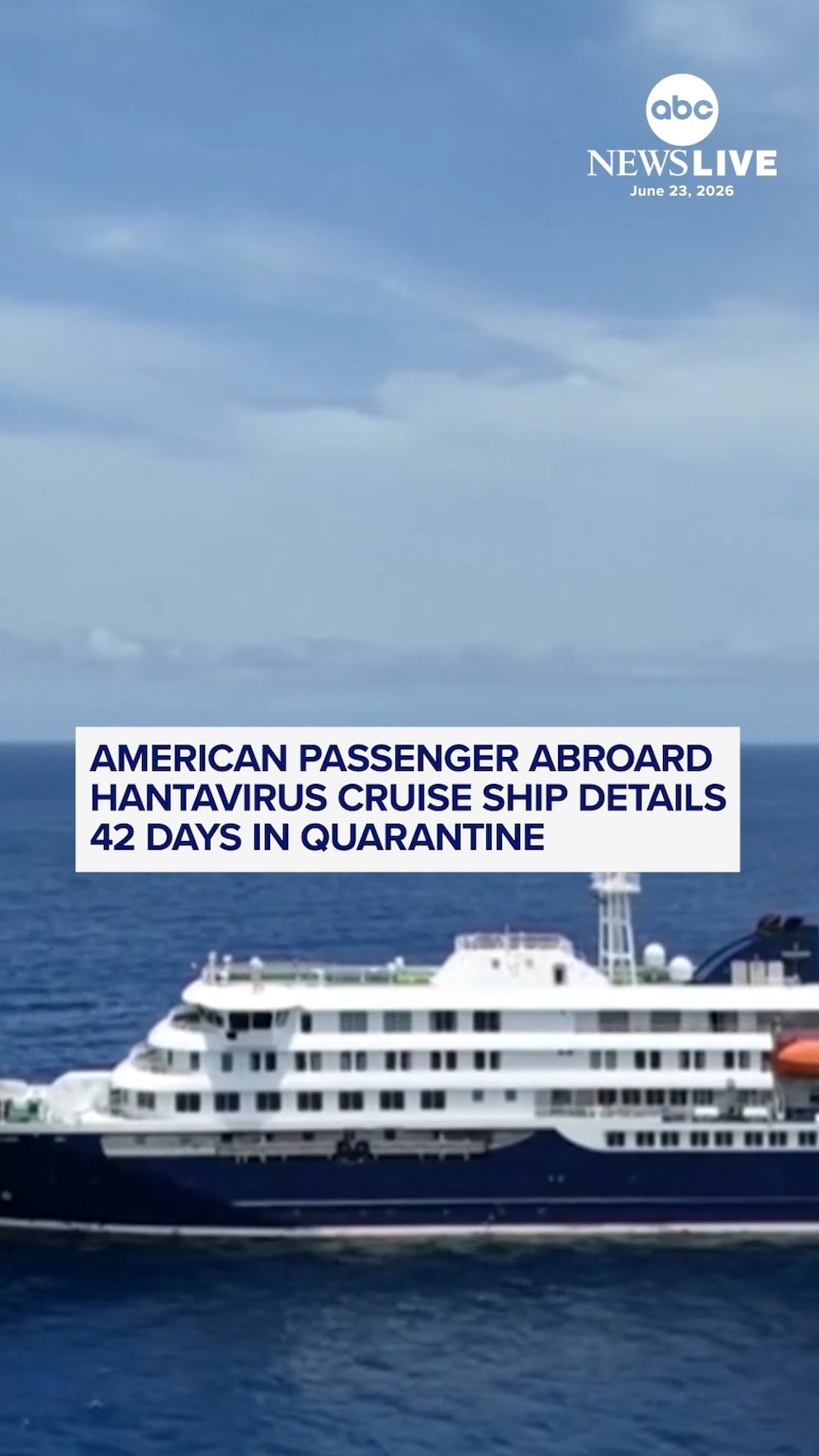
Eighteen American passengers from a cruise ship that saw a Hantavirus outbreak arrived at the University of Nebraska Medical Center on May 11. After 42 days in quarantine, the last of the Hantavirus cruise ship passengers have gone home. But symptoms of Hantavirus can take up to 42 days to appear, so all passengers were "strongly encouraged" to stay through June 21. Their quarantine in Omaha was part of a nationally coordinated effort to assess, contain and treat any potential infections.
Read the brief
Three people died and 13 cases of the rare Andes strain of Hantavirus were identified on the Dutch-flagged vessel, leading to 18 Americans originally transferring to the national quarantine unit in Omaha. In previous outbreaks of the Andes virus, the only strain of Hantavirus known to be transmittable between humans, symptoms have taken up to 42 days to appear. Sixteen Americans were evacuated to the Nebraska quarantine unit in Omaha on 11 May, and two others joined them a few days later. In a statement to the Associated Press, an HHS spokesperson said the enforced 42-day quarantine of the final eight passengers, which some critics have called "authoritarian" and "unconstitutional", was necessary for the public good.
Read the brief
Director-General of the World Health Organisation (WHO), Dr Tedros Adhanom Ghebreyesus, says the international response to the recent Hantavirus outbreak linked to a cruise ship has brought the world closer to ending the health emergency. The outbreak was first reported in May after cases of severe respiratory illness emerged aboard the Dutch-flagged expedition vessel during an international voyage. According to the WHO, the outbreak involved the Andes strain of Hantavirus, which is the only known Hantavirus capable of limited human-to-human transmission through close contact.
Read the brief
Crosswords, novels and Netflix have helped keep boredom at bay for a New Zealander and five Australians at a Hantavirus quarantine facility. The group left the Perth venue at 3.45 am on Tuesday after staying there for six weeks because of an outbreak on the cruise ship MV Hondius. One passenger, Australian Peter Marsh, told ABC, the quarantine was worthwhile to help keep people from getting sick but said he could not wait to hug his wife and see his children and grandchildren.
Read the brief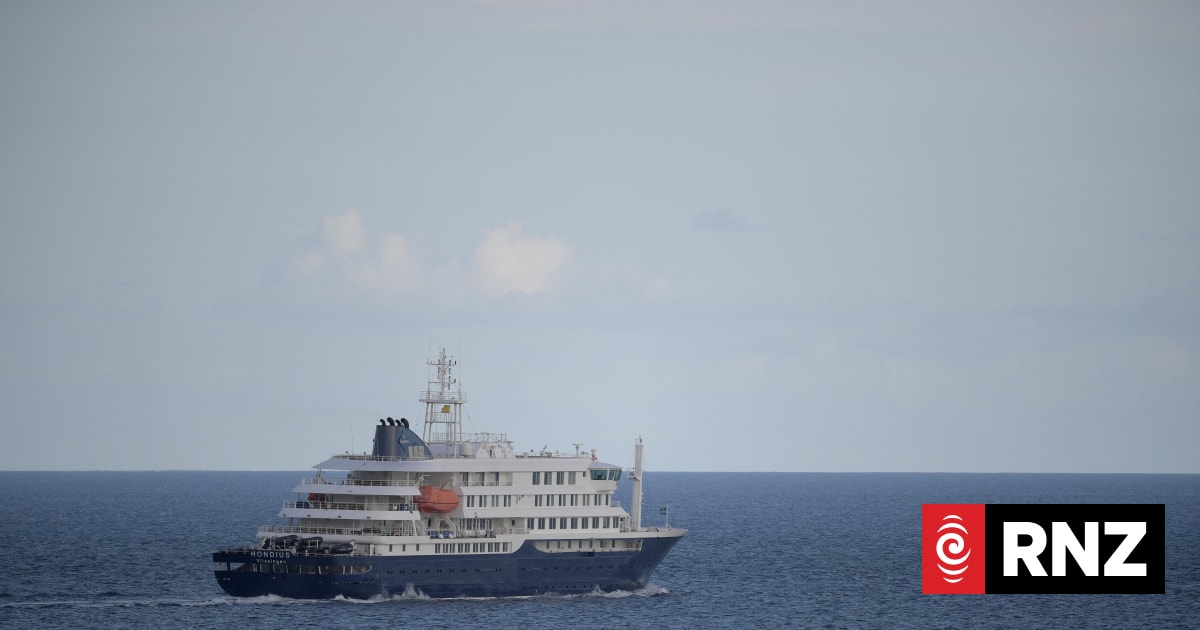
A New Zealander and five Australians who were onboard a cruise ship which experienced a deadly Hantavirus outbreak are heading home after six weeks in quarantine. The passengers were on the MV Hondius which experienced an outbreak of the rodent-borne disease. The last Hantavirus case reported by the World Health Organisation in connection to the ship was four weeks ago in Spain, bringing the total to 13, three of them fatal.
Read the brief
Quarantine has ended for the 18 Americans who were cruise ship passengers on the MV Hondius and were exposed to Hantavirus more than one month ago. As of May 27, there have been a total of 13 cases of Hantavirus -- 11 confirmed and two probable -- and three deaths, of which two have been confirmed, according to the WHO. The working hypothesis behind the cluster is that the first case acquired Hantavirus while on land, before boarding the cruise ship, the WHO said. The 42-day monitoring period ended on June 21 and "no sustained transmission" of the virus has been identified in the U.S., a spokesperson for the Department of Health and Human Services (HHS) told ABC News.
Read the briefQuarantine has ended for the 18 Americans who were cruise ship passengers on the MV Hondius and were exposed to Hantavirus more than one month ago. What parents should know about talking to kids about Hantavirus As of May 27, there have been a total of 13 cases of Hantavirus -- 11 confirmed and two probable -- and three deaths, of which two have been confirmed, according to the WHO. The working hypothesis behind the cluster is that the first case acquired Hantavirus while on land, before boarding the cruise ship, the WHO said.
Read the brief
Five Australians and one New Zealander were holed up in the quarantine facility for 42 days after being on-board a cruise ship exposed to the deadly Hantavirus. The cruise ship was exposed to a Hantavirus outbreak, which killed three people and infected 11 others. The six passengers were transported to the Bullsbrook quarantine base for 42 days, which Health Minister Mark Butler said was the "strongest" reaction in the world.
Read the brief
OMAHA, The last eight American passengers who endured 42 days in a specialized hospital quarantine unit after exposure to an unusual Hantavirus outbreak on a cruise ship that killed three people have left the Nebraska facility. In addition to those people evacuated by health officials in full protective suits, at least 30 other passengers had left the ship earlier before the outbreak was documented. Hantaviruses usually spread when people inhale contaminated residue of rodent droppings, but the Hantavirus that caused the outbreak, called the Andes virus, may be able to spread between people in rare cases, health officials say.
Read the briefOfficial Sources