90-Second Read: Arizona: Hantavirus death reported in Mohave County
Editorial voice
Noah Davidson
Published
Published June 1, 2026
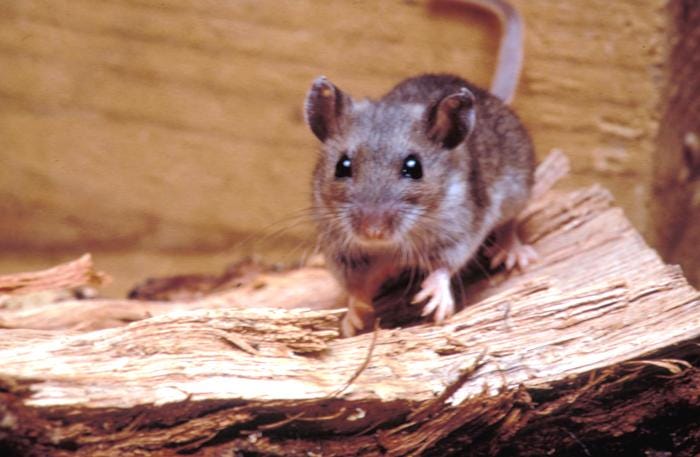
Health officials in Mohave County, Arizona, report a confirmed case and death from the Sin Nombre Hantavirus in a resident. The type of Hantavirus found in Arizona is known as Sin Nombre virus, which is carried primarily by deer mice. This Hantavirus case is related to the Sin Nombre virus strain and is not related to the Andes virus outbreak associated with the MV Hondius cruise ship. The source of exposure for the Kingman service area case could not be determined; however local transmission cannot be ruled out.
Sin Nombre virus is not known to spread from person to person. The best way to prevent Hantavirus is to avoid contact with rodents and rodentcontaminated materials. Air out enclosed spaces for at least 30 minutes before cleaning. Wear gloves and a well-fitting mask when cleaning contaminated areas.
Most infections occur when individuals breathe in dust contaminated with the urine, droppings, saliva, or nesting materials of infected rodents. Watch for signs of rodent activity, including droppings and nesting materials. Avoid sweeping or vacuuming rodent droppings, which can stir contaminated dust into the air. Spray droppings or nests with a disinfectant solution and allow it to soak before cleanup.
Store food, pet food, and garbage in rodent-resistant containers. If rodent droppings or nesting materials are found: Open doors and windows and allow the area to air out. Residents unable to safely clean the area themselves are encouraged to consider contacting a licensed pest control or remediation professional for assistance.
Source reference
Original reporting
Based on reporting from Outbreak News Today. Read the original source for full details.
Source published Jun 1, 6:39 PM EDT. Hantavirus Now reviewed reporting from Outbreak News Today and summarized the key points below.
Read original article