90-Second Read: Colorado health officials confirm deadly Hantavirus case
Editorial voice
Elena Park
Published
Published May 16, 2026
The Colorado Department of Public Health and Environment said it is working with the Douglas County Health Department to investigate a confirmed case of Hantavirus in a Douglas County adult that resulted in death. Hantavirus infections caused by the Sin Nombre Hantavirus, happen regularly in Colorado, according to CDPHE, usually in the spring and summer, and can cause a severe and sometimes deadly respiratory disease. Colorado has recorded 132 cases of Sin Nombre Hantavirus since surveillance of it began in 1993, when it was discovered in the Four Corners region.
The Colorado Department of Public Health and Environment said the case is not linked to a recent outbreak on a Dutch cruise ship. Example video title will go here for this video Example video title will go here for this video DOUGLAS COUNTY, Colo. CDPHE said the case is not linked to the MV Hondius cruise ship outbreak that infected at least eight people and caused two confirmed deaths.
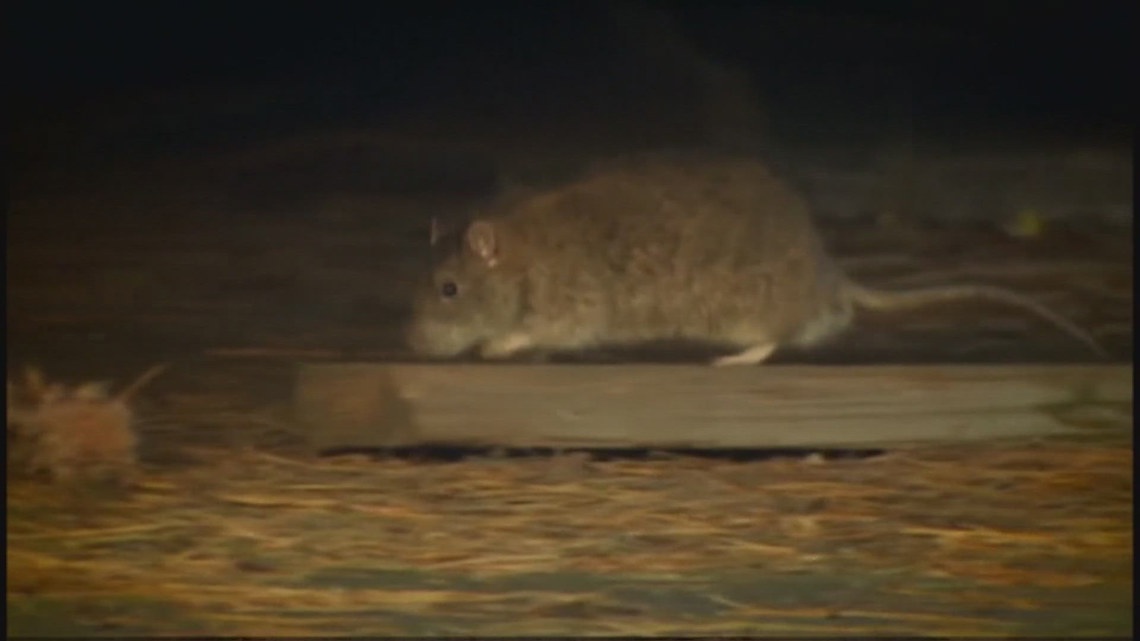
In Colorado, the deer mouse is the rodent species that exposes people to the virus. Health officials said they are working closely with local partners to investigate the case and identify the source of exposure, but it appears the infection came from local exposure to rodents. The best way to prevent getting infected with the virus is to avoid exposure to rodents and their urine, feces, saliva and nesting materials, according to CDPHE.
Source reference
Original reporting
Based on reporting from KUSA.com. Read the original source for full details.
Source published May 15, 8:40 PM EDT. Hantavirus Now reviewed reporting from KUSA.com and summarized the key points below.
Read original article