90-Second Read: Colorado Reports Its First Hantavirus Death Since 2024
Editorial voice
Elena Park
Published
Published May 20, 2026
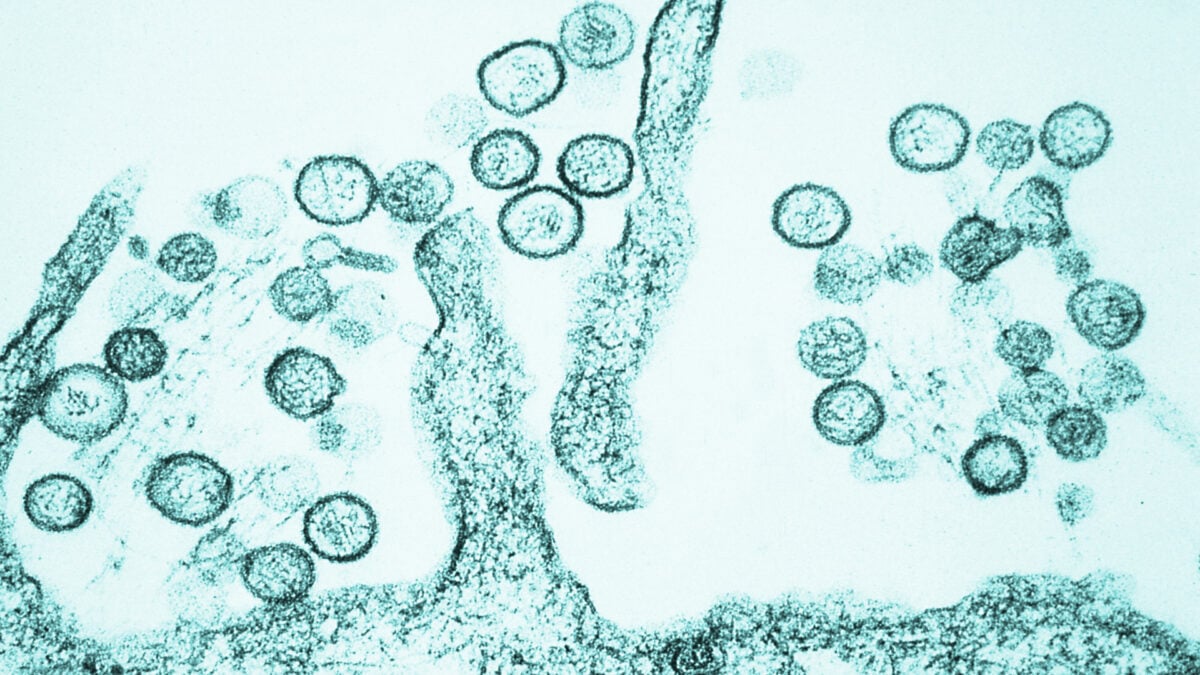
Colorado officials are asking residents to be mindful of Hantavirus infections from the local Sin Nombre strain during spring cleaning. Colorado authorities have logged their first confirmed death from Hantavirus since 2024, according to a statement on Monday from the Colorado Department of Public Health and Environment. Officials noted that this new Hantavirus case has been traced to a strain endemic to Colorado, Sin Nombre (Spanish for "nameless"), and not the now widely known Andes strain responsible for infecting at least 11 people onboard the Dutch cruise ship MV Hondius and killing three.
Unlike the Andes version, which has been primarily recorded in South America, Sin Nombre Hantavirus cannot be spread person to person. Infamously, New Mexico served as the backdrop to the Hantavirus death of Gene Hackman's wife, Betsy Arakawa, in 2025, an event that precipitated the Oscar-winning actor's own death as he struggled in isolation with his advanced Alzheimer's diagnosis that same year. The Sin Nombre strain of Hantavirus spreads predictably this time of year, according to statements by the Colorado Department of Public Health and Environment.
While contact with a rodent's droppings or urine is the most likely pathway to Hantavirus exposure, the disease can also be contracted via contact with live rodents, they noted, including pets. Infections might produce fever and chills, but in nearly all cases the virus manifests as severe leg, hip, and back pain. Residents in the state during this "spring cleaning" season are simply more likely to encounter rodent droppings while decluttering and tidying their living spaces or engaging in routine outdoor chores.
Source reference
Original reporting
Based on reporting from Gizmodo. Read the original source for full details.
Source published May 20, 7:30 AM EDT. Hantavirus Now reviewed reporting from Gizmodo and summarized the key points below.
Read original article