90-Second Read: COVID patients died in crowded hospitals while ICU beds sat unused. Hantavirus could expose same flaw
Editorial voice
Malik Thompson
Published
Published May 23, 2026
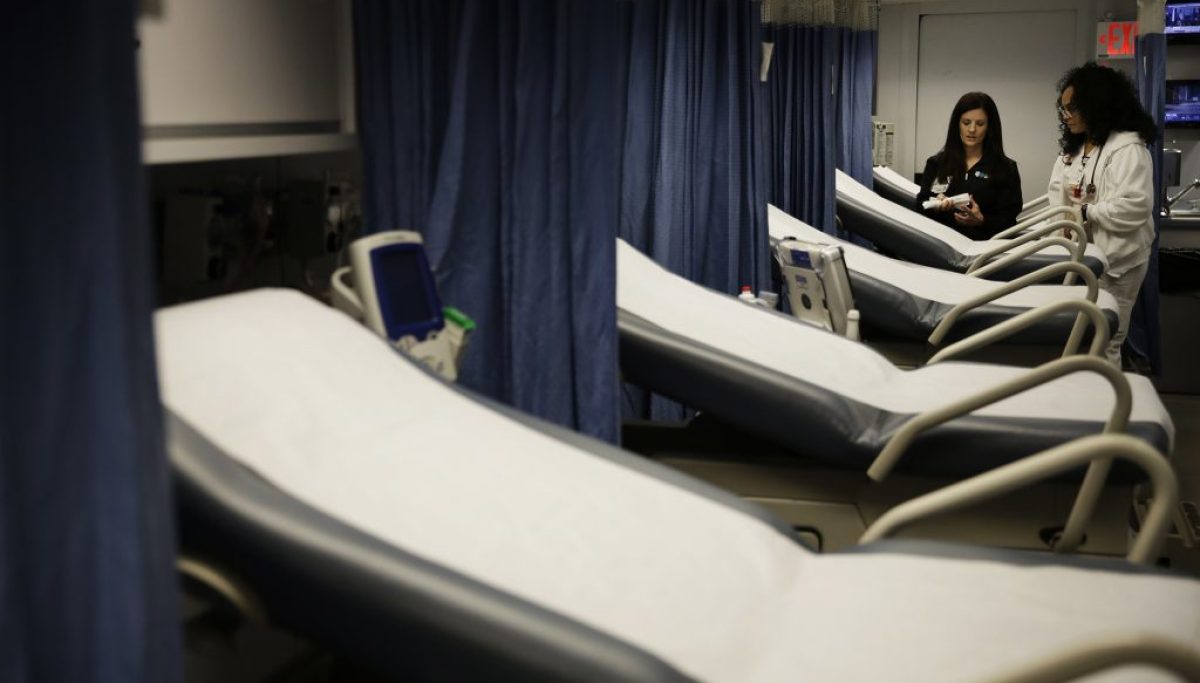
The deaths from a Hantavirus outbreak on a cruise ship have set off an international scramble over the past month to trace hundreds of passengers. But the question we should be asking is not whether the Hantavirus outbreak becomes the next pandemic. During the height of the pandemic, more than 15,000 deaths from COVID could have been prevented in April 2020 if those patients had access to an ICU bed. This problem is known as load imbalance: different hospitals in a region simultaneously at overcapacity and undercapacity with no systems to match patients to available resources.
Hospitals were required to transmit data about dwindling resources to federal authorities only once a week, leaving governments and hospitals without the real-time information needed to direct patients to the appropriate sites. Understandably, hospitals overwhelmed with emergency cases transmitted only the data required. The Hantavirus outbreak may remain contained, but it sends a warning we cannot afford to ignore. The fix is straightforward: Congress should require hospitals to share real-time data on ICU bed availability and maintain pre-planned regional transfer strategies so that when any facility nears capacity, the surrounding system responds.
The patients were simply in the wrong hospital, invisible to the facilities drowning in patients nearby. Patients paid the price, and the burden did not fall equally. Rural communities, black patients, lower-income residents, and those with chronic conditions suffered the worst of it. Health systems can then accurately anticipate demand, direct patient flow, and redistribute critical resources to avoid overwhelming individual hospitals Congress now has a concrete vehicle to make this happen.
The Queen's Health Systems in Hawaii reported $20 million in savings using its command center strategy to better manage capacity, length of stay, and reduce patient boarding in the emergency department. Hospitals also need not pay alone: The bill explicitly authorizes federal Hospital Preparedness Program grants for this purpose and extends the preparedness funding through 2031. All data shared would be de-identified, with no mandatory reporting to the Centers for Medicare & Medicaid Services, the Centers for Disease Control and Prevention, or any other federal agency.
Source reference
Original reporting
Based on reporting from Washington Examiner. Read the original source for full details.
Source published May 23, 6:00 AM EDT. Hantavirus Now reviewed reporting from Washington Examiner and summarized the key points below.
Read original article