90-Second Read: Deadly Hantavirus Outbreak on Cruise Ship Sparks Global Health Alert
Editorial voice
Noah Davidson
Published
Published May 17, 2026
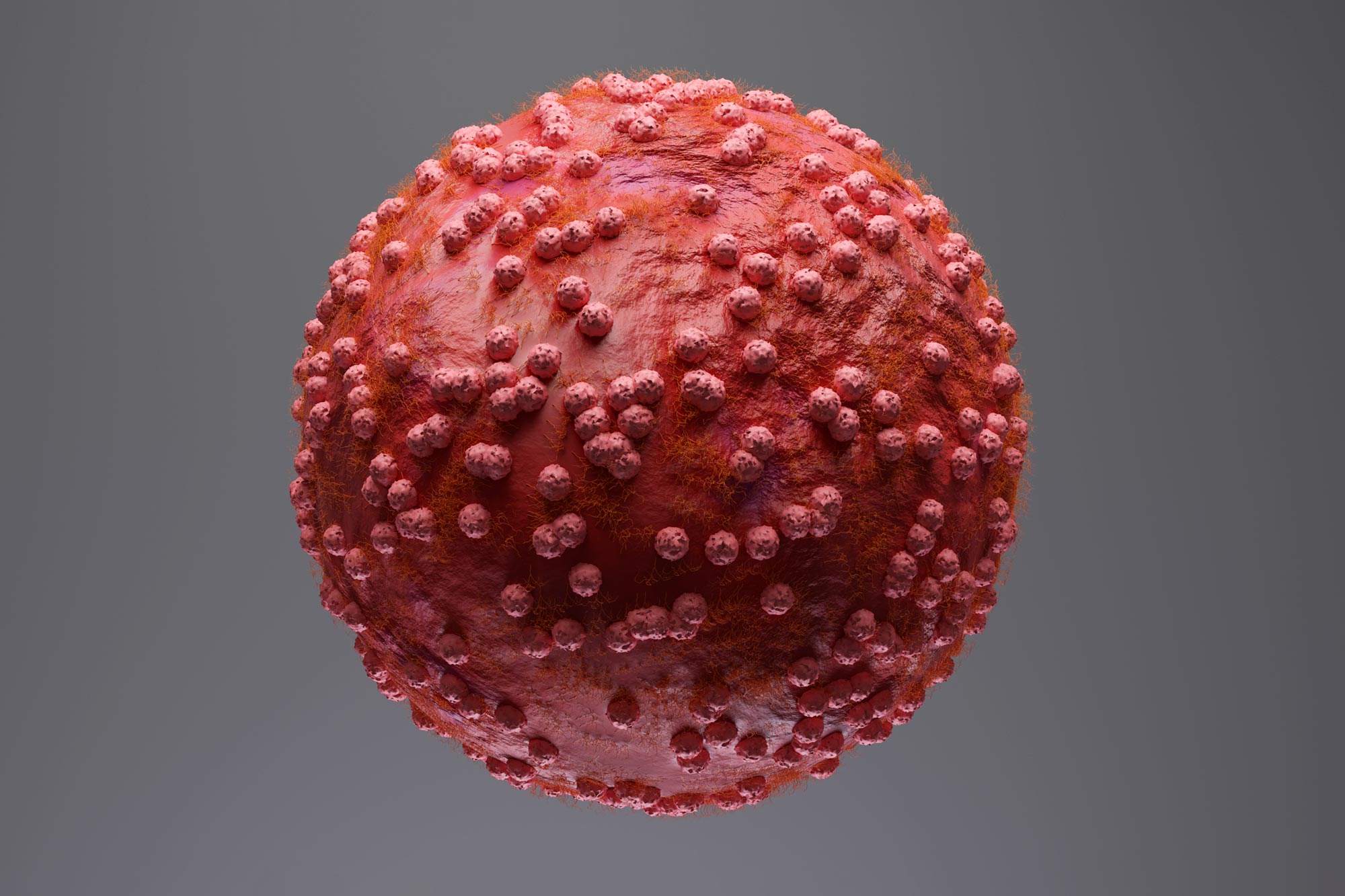
A rare Hantavirus outbreak linked to a South Atlantic cruise is drawing global attention to the Andes strain's unusual ability to spread between people. A rare and deadly Hantavirus outbreak linked to the expedition cruise ship MV Hondius has set off an international public health investigation after at least three passengers died and others became ill during a South Atlantic voyage. Officials in several countries are now tracking and monitoring passengers because the outbreak involves Andes virus, an uncommon Hantavirus strain that, unlike most others, can sometimes spread between people during close contact.
In the U.S., the primary strain responsible for most disease cases is the Sin Nombre virus, found in the Western U.S., along with other strains such as the New York virus in the Eastern U.S. In South America, the Andes virus is a notable Hantavirus strain. The case fatality rate for Hantavirus pulmonary syndrome (HPS) is approximately 40% among those who develop severe disease. Typically, Hantavirus outbreaks are small, and human-to-human transmission does not readily occur.
The recent outbreak involving Andes virus has drawn attention because this Hantavirus appears to be transmitted more readily from human to human than other Hantaviruses. However, the mode of transmission in these cases remains similar to that of other Hantaviruses. To explain what is known and what remains uncertain, Scott Pegan, a professor of biomedical sciences at the UC Riverside School of Medicine, addresses key questions about Hantavirus in the Q&A below.
Source reference
Original reporting
Based on reporting from SciTechDaily. Read the original source for full details.
Source published May 16, 11:50 PM EDT. Hantavirus Now reviewed reporting from SciTechDaily and summarized the key points below.
Read original article