90-Second Read: Hantavirus and COVID: Similar fears, major differences
Editorial voice
Malik Thompson
Published
Published May 13, 2026
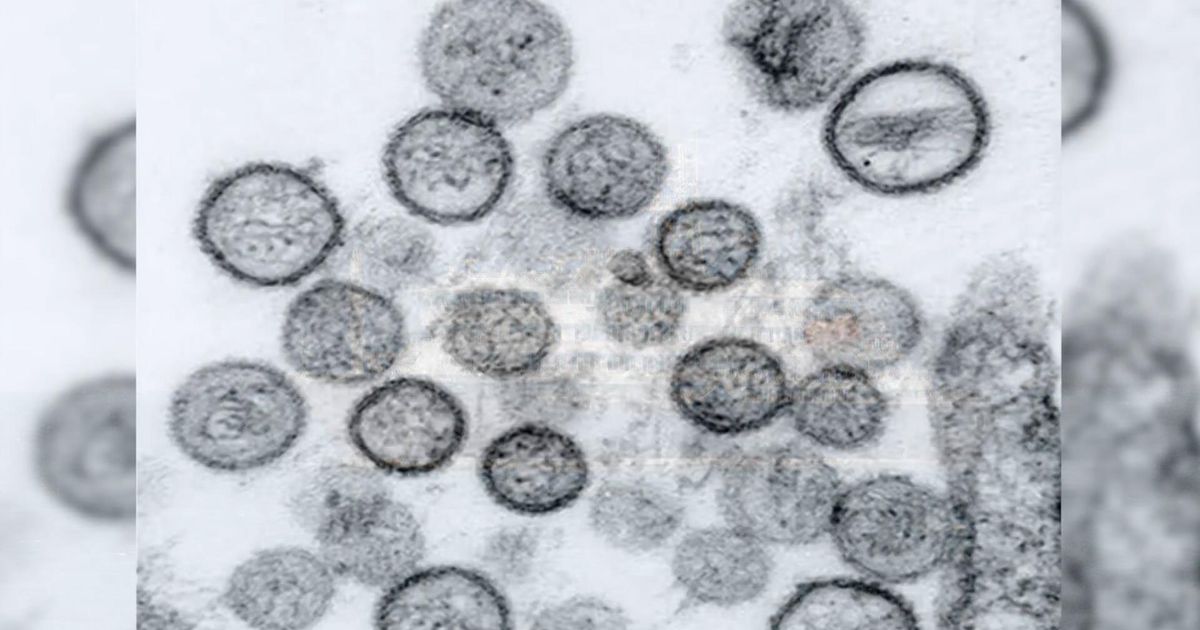
Hantavirus and COVID are comparable in a broad sense, but they differ in how they spread and where they originate, leading to different public health risks. The North Carolina Department of Health and Human Services is monitoring the recent Hantavirus outbreak on board the MV Hondius cruise ship. However, Hantavirus does not appear to be the next COVID, according to health specialists. Hantavirus can be more lethal among those infected, but COVID can spread more easily.
COVID is a contagious respiratory virus while Hantavirus is tied to environmental factors and is generally acquired from infected rodents. However, the Hantavirus that has caused the current outbreak, called the Andes virus, may be able to spread between people in rare cases. But the good news is, COVID-19 nowadays is no longer as deadly as it was, but Hantavirus just isn't that kind of potential. Betsy Arakawa, the wife of actor Gene Hackman, died from Hantavirus in February 2025.
David Wohl with UNC Health said while there's not really much to be fearful of, there's much we can learn from the Hantavirus. Some early symptoms of Hantavirus include fatigue, fever, muscle aches, headaches and dizziness. The ways they spread and the public health risks they carry are different, according to health experts. Global health officials say the risk to the general public remains low because the germ does not easily spread between people.
The Andes virus strain, a cause of Hantavirus pulmonary syndrome, is known for person-to-person spread. People may remember the two weeks of quarantine that they initially went through early on in 2020 with COVID. And as for travel risks, Raleigh-Durham International Airport told WRAL News it has not been contacted by public health officials about any potential risk.
Source reference
Original reporting
Based on reporting from WRAL. Read the original source for full details.
Source published May 11, 7:39 PM EDT. Hantavirus Now reviewed reporting from WRAL and summarized the key points below.
Read original article