90-Second Read: Hantavirus likely to be fully contained but may take time, Hanage says
Editorial voice
Maya Okafor
Published
Published May 13, 2026
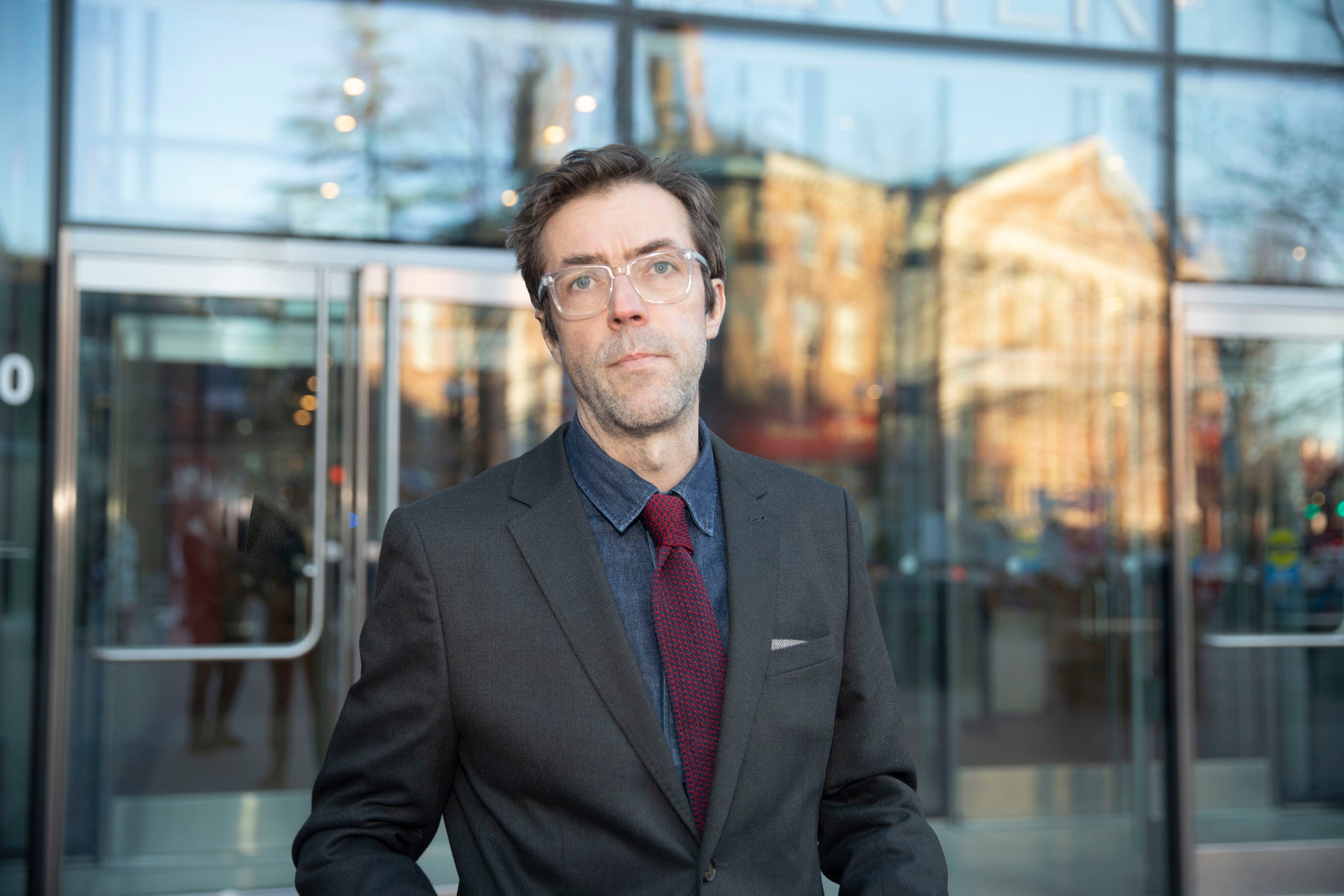
In this edited conversation, the Gazette spoke with Hanage, who is also associate director of the Chan School's Center for Communicable Disease Dynamics, about the outbreak and his expectation that it will be fully contained, though that will likely take some time. It does indicate, however, that healthcare staff should take care while treating people who have Hantavirus to minimize the potential for transmission. For instance, when you would see cases of COVID-like symptoms developing four or five days apart, you would think, "That's a transmission chain." But in the case of Hantaviruses, it can be weeks. The World Health Organization reports eight cases and three deaths as of May 8.
One of the cases of transmission was to the doctor on the cruise ship who was attending the index case. In that outbreak there were four rounds of transmission, from the index case to secondary, tertiary, quaternary before it was eventually contained. That's one of the reasons why you're hearing about people with symptoms who are being treated as potential cases but which on further investigation turn out to not be caused by Hantavirus. There have been three deaths so far, which sounds like a lot for the number of exposures we know about.
Before vaccines and widespread immunity, COVID had the capacity to flatten healthcare systems provided it's given free reign, but the number of severe cases would be dependent on how many old people there are in the population. Another thing that is important here is that everything we know indicates that people are infectious and most likely transmit as they develop symptoms and once they've developed symptoms. If you have Hantavirus pulmonary syndrome, then you have very severe, rapidly progressing respiratory symptoms. The outbreak that is most immediately reminiscent is the original Severe Acute Respiratory Syndrome, or SARS, which also had transmission that was linked to symptom development or the onset of symptoms, and that was also driven by a few super spreading events.
What we know is that it seems to require reasonably extended contact with a person who is sick and is shedding virus. The number of people in the world who should be worried about this now is in the low hundreds, if not less. That can make it difficult to know if two people develop illness a few weeks apart whether it's due to a common exposure as opposed to transmission.
Source reference
Original reporting
Based on reporting from Harvard Gazette. Read the original source for full details.
Source published May 12, 5:15 PM EDT. Hantavirus Now reviewed reporting from Harvard Gazette and summarized the key points below.
Read original article