90-Second Read: Hantavirus outbreak exposes deep cracks in US public health as experts warn we're not ready
Editorial voice
Maya Okafor
Published
Published May 19, 2026
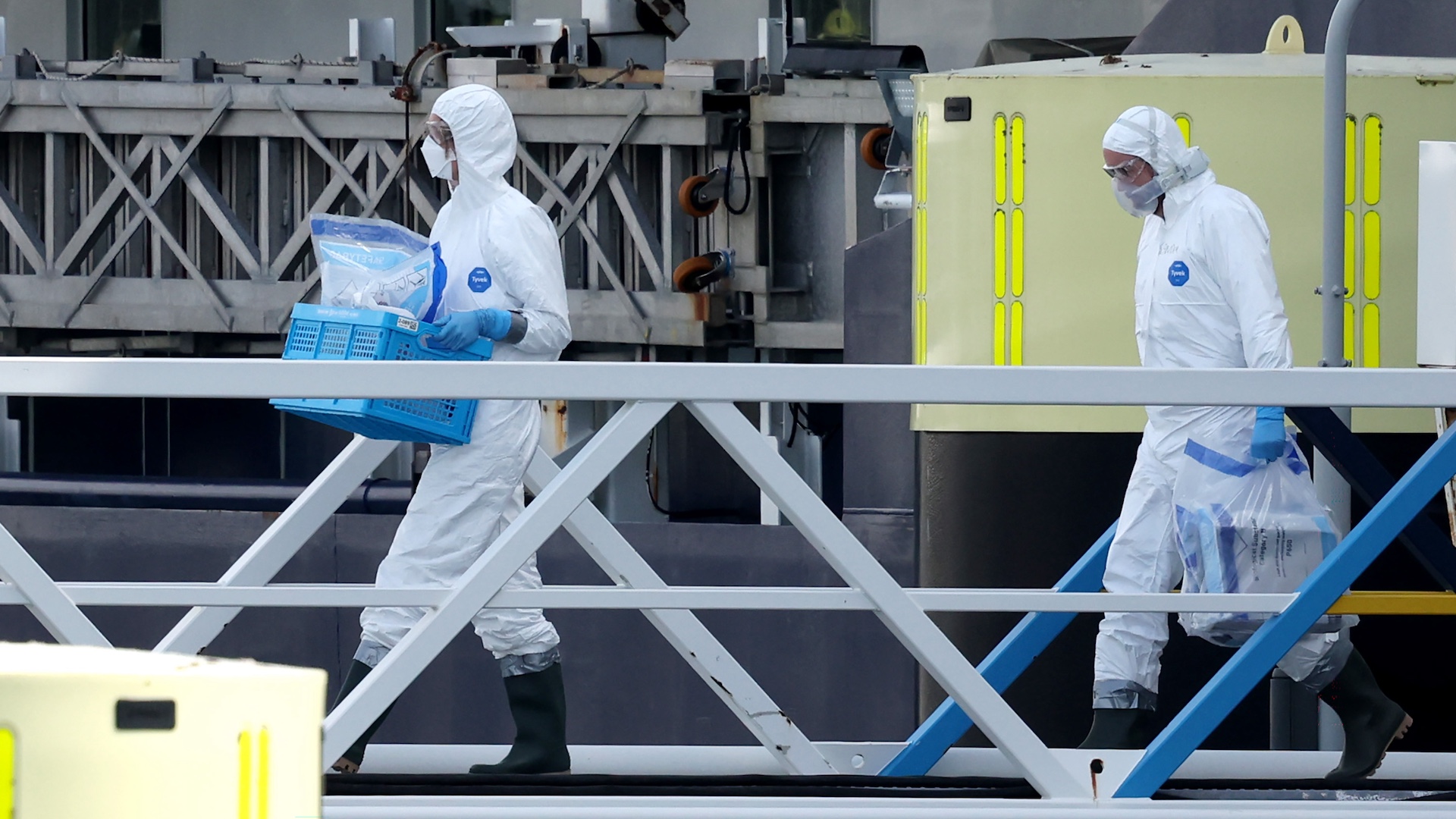
At a recent event in Washington, D.C., former U.S. health leaders said the Hantavirus outbreak should be understood as a warning about broader gaps in public health preparedness, the Guardian reported. Stephanie Psaki, the former White House global health security coordinator, said the main lesson is not that the country is in good shape if this outbreak stays contained. Nina Schwalbe, a senior scholar at Georgetown University's Center for Global Health Policy and Politics, said public officials also need to become better at talking honestly about uncertainty.
Experts said the concern is not only the outbreak itself. Former chief medical adviser Anthony Fauci said misinformation remains one of the biggest obstacles to protecting public health. Still, he said the public health response was often muddled, and the U.S. also faltered on early testing and global vaccine distribution.
To work well, public health agencies need enough staff, lab capacity, and communication tools to identify threats quickly, contain them, and guide the public through uncertainty. In practical terms, a weaker public health system can mean slower testing, more confusing guidance, delayed access to vaccines or treatments, and greater strain on hospitals when cases climb. They say the episode is putting several weaknesses into sharp focus at once: less testing capacity for rare diseases, a thinner bench of outbreak-response expertise, and the growing influence of online misinformation.
Source reference
Original reporting
Based on reporting from The Cool Down. Read the original source for full details.
Source published May 19, 6:15 PM EDT. Hantavirus Now reviewed reporting from The Cool Down and summarized the key points below.
Read original article