90-Second Read: Here's what to know about Hantavirus vaccines after the cruise ship outbreak
Editorial voice
Daniel Reyes
Published
Published May 14, 2026
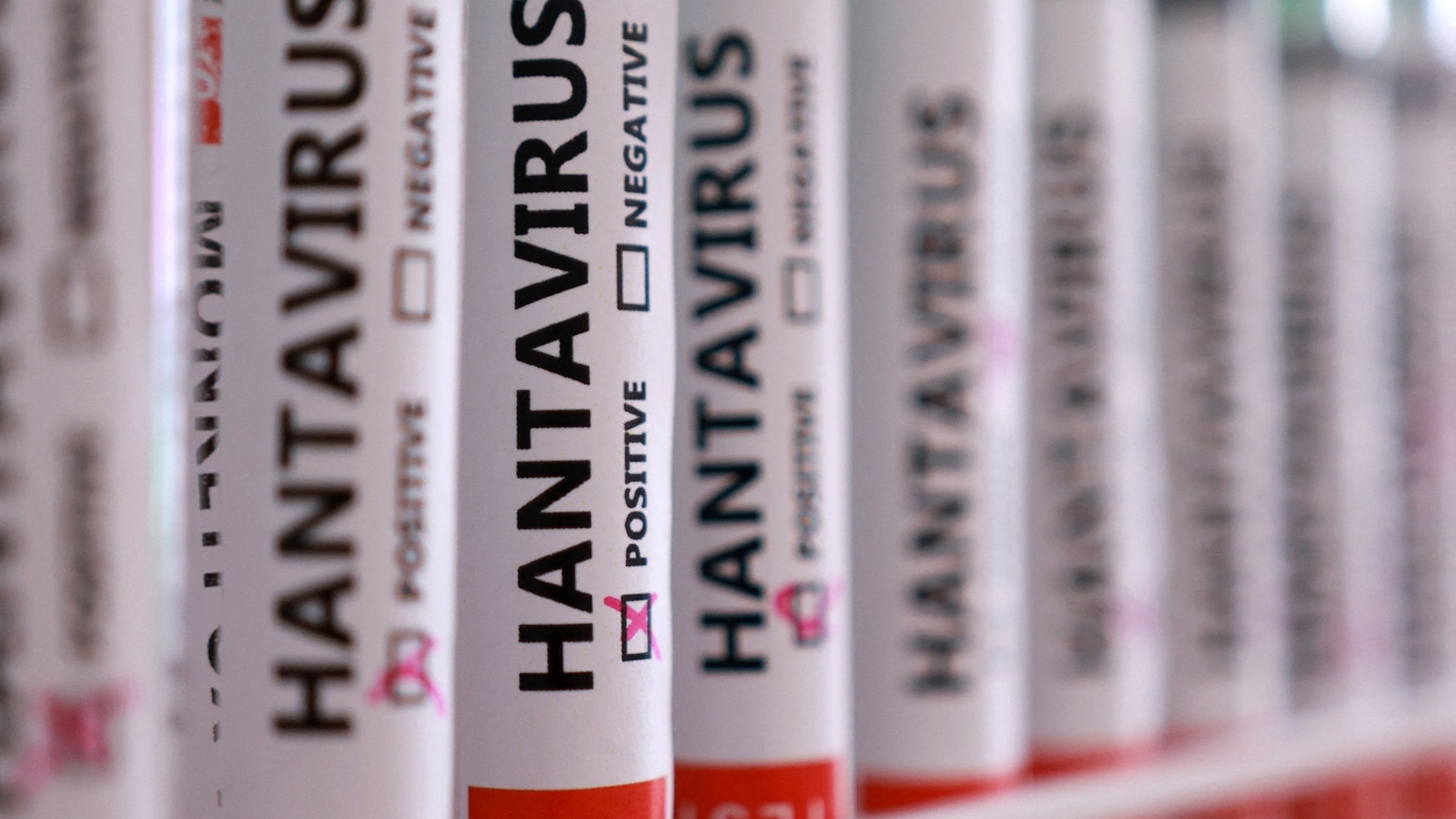
The cruise ship outbreak has put renewed attention on the Andes virus, a rare type of Hantavirus that can spread between people and cause severe respiratory illness. The Andes virus, a rare type of Hantavirus, has a mortality rate of about 38%. Hantavirus vaccine development began in the late 1980s with Hantavax, an inactivated vaccine designed for strains circulating in South Korea and China that cause hemorrhagic fever with renal syndrome, a study in the journal Vaccines suggests.
But despite decades of research, there is still no approved vaccine in the U.S. Hantavirus exposure risk rises during activities like farming, forestry work and cleaning rodent-infested spaces. In the U.S., researchers are testing DNA Hantavirus vaccines, which use genetic material to trigger an immune response. One of the major challenges has been that Hantavirus cases are relatively rare and geographically sporadic, making efficacy trials difficult.
Health experts stress that what's unfolding with passengers on the cruise ship is unlikely to morph into a global pandemic. Although we're focusing on Andes virus in this case, there are many Hantaviruses out there and they're all different from each other. Current and future vaccines target high-risk groups rather than the general public, according to the World Health Organization.
Source reference
Original reporting
Based on reporting from ABC News - Breaking News, Latest News and Videos. Read the original source for full details.
Source published May 10, 7:59 PM EDT. Hantavirus Now reviewed reporting from ABC News, Breaking News, Latest News and Videos and summarized the key points below.
Read original article