90-Second Read: How scientists developed a Hantavirus PCR test in a weekend Inside the race to develop a Hantavirus PCR test
Editorial voice
Maya Okafor
Published
Published May 18, 2026
Over the course of May 9 and 10, scientists at the Nebraska Public Health Laboratory worked around the clock to develop a polymerase chain reaction (PCR) test for Andes Hantavirus, which has sickened at least 10 and killed three people who sailed on board the MV Hondius. Peter Iwen, director of the Nebraska Public Health Lab, and deputy director Emily McCutchen, chatted with Scientific American to explain how they developed the Andes virus PCR test in a single weekend, how it works and how it's being used now. We know that for [a type of Hantavirus known as] the Sin Nombre virus, that prior to developing symptoms, people actually have a little bit of virus in their blood, so we can get a quicker result to say, "yes, they do have the virus" by doing PCR.
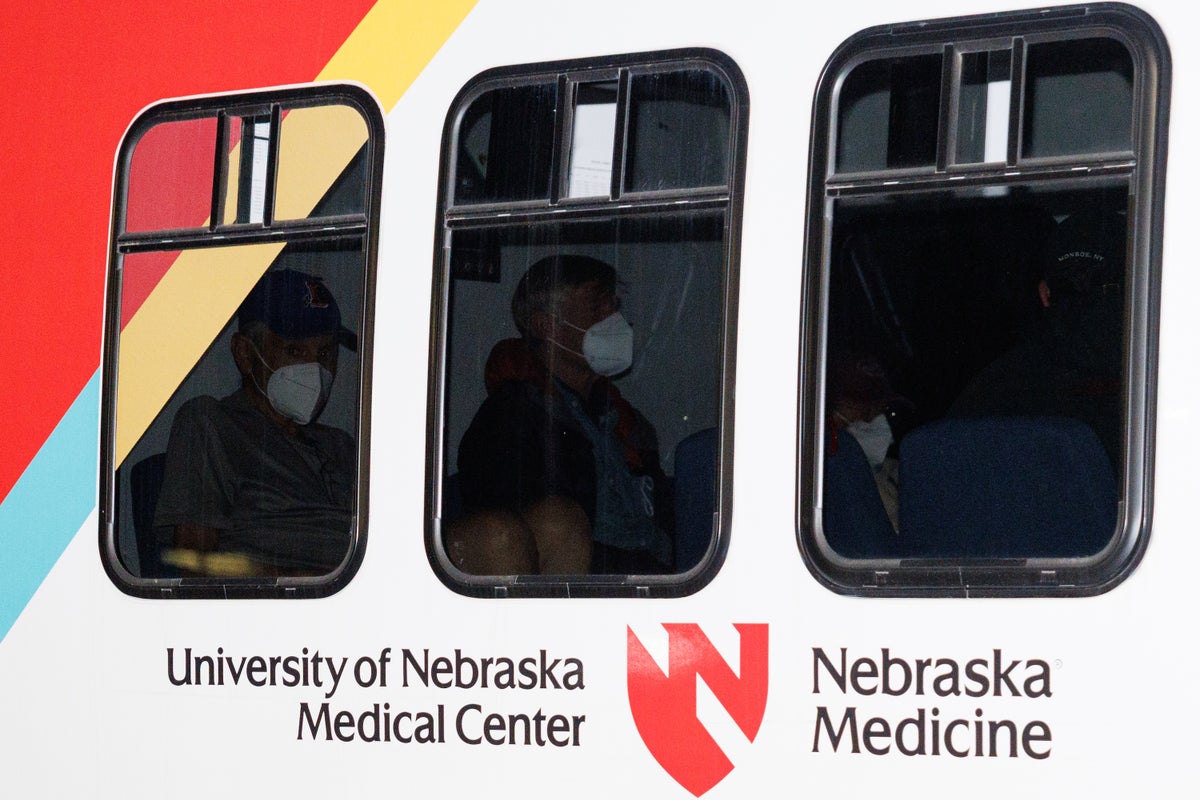
The Nebraska lab, which supports the National Quarantine Unit, is trying to bridge that gap, using its PCR test to try and determine if people at the quarantine unit and elsewhere in the country who may have been exposed to sick passengers have the virus, or not. If there was Andes Hantavirus viral RNA in that, we would isolate that out, and then we go through a polymerase chain reaction, or PCR, following that to amplify those viral particles in a way that we can essentially be able to detect them. We had to get all of this in place before we could even start developing a validated assay.
About Saturday afternoon is when we started looking at, this is what we have, this is the process that we're going to follow to try to develop this test. Part of the CLIA '88 rules say that if you are going to develop an assay, you have a certain set of things that you must meet. None of these people have tested positive for the virus since their arrival.
Source reference
Original reporting
Based on reporting from Scientific American. Read the original source for full details.
Source published May 18, 1:45 PM EDT. Hantavirus Now reviewed reporting from Scientific American and summarized the key points below.
Read original article