90-Second Read: North Carolina monitoring Hantavirus exposure linked to cruise ship
Editorial voice
Elena Park
Published
Published May 13, 2026
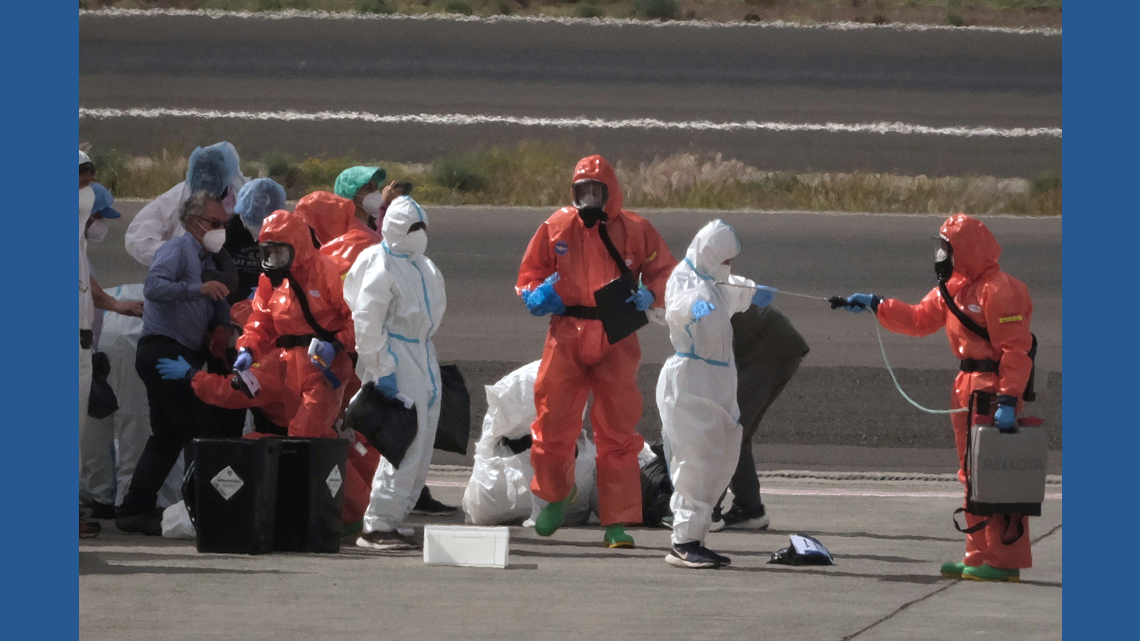
The exposure involves the Andes virus, a rare strain of Hantavirus, linked to passengers aboard the cruise ship MV Hondius. Health officials say some of the exposed Americans were taken to the University of Nebraska Medical Center for monitoring, including one person from North Carolina. Experts say Hantavirus is most commonly linked to exposure to infected rodent droppings, urine or saliva.
There are patients who have become infected with Andes virus, a type of Hantavirus. Williams is the state Public Health Veterinarian with the North Carolina Department of Health and Human Services. If they stay there, they will continue to be monitored and if they come home, they will be monitored by the state local health department.
North Carolina health officials stress this virus is different from COVID-19 because, so far, it does not spread easily between people. At this time, North Carolina officials say there is no threat of community spread. Doctors say the virus has an estimated mortality rate of about 40%.
Source reference
Original reporting
Based on reporting from WCNC. Read the original source for full details.
Source published May 12, 6:19 PM EDT. Hantavirus Now reviewed reporting from WCNC and summarized the key points below.
Read original article