Trending News
New Mexico's Hantavirus strain is different from cruise ship outbreak and does not spread between peopleWhat we know about a Minnesotan's possible Hantavirus exposureCDC: ‘Risk to general public from Hantavirus is low’New Mexico's Hantavirus strain is different from cruise ship outbreak and does not spread between peopleWhat we know about a Minnesotan's possible Hantavirus exposureCDC: ‘Risk to general public from Hantavirus is low’

90-Second Read: Q&A: Epidemiologist from Brown University’s Pandemic Center on the Hantavirus outbreak

MT

Editorial voice

Malik Thompson

Published

Published May 13, 2026
Disclaimer
This is a simplified summary of outside reporting. Hantavirus Now did not independently report the original story. Read the original source for full details.This is a simplified summary of outside reporting. Hantavirus Now did not independently report the original story. Read the original source for full details.

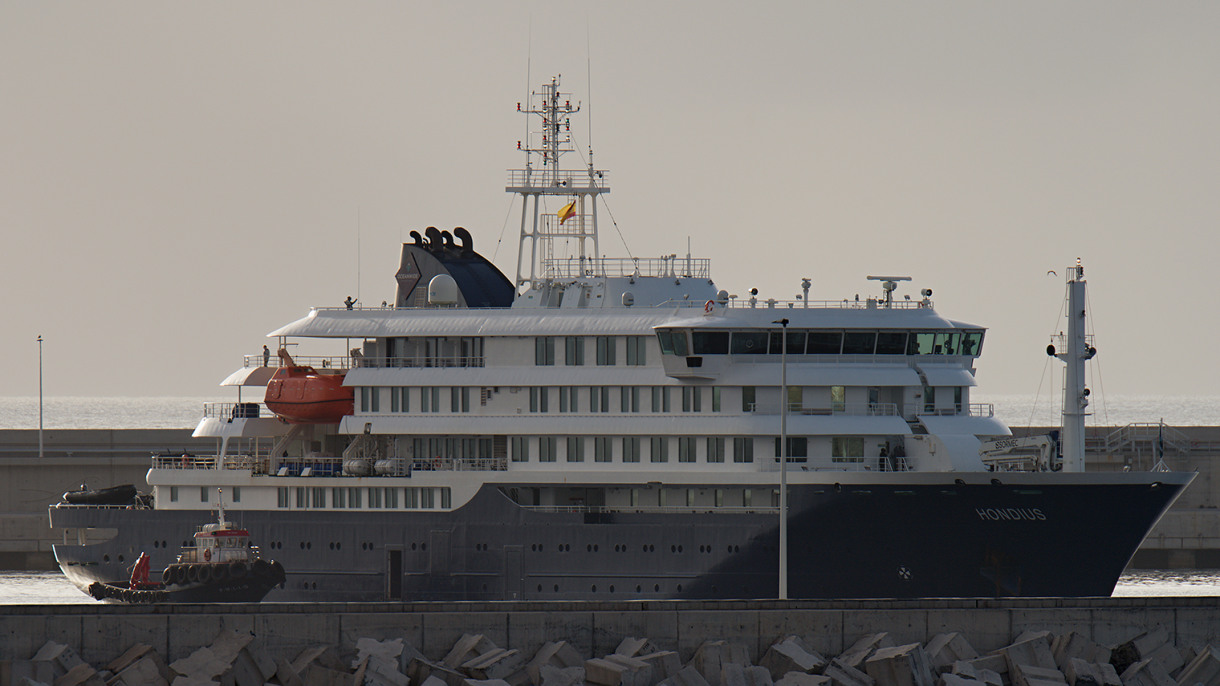
The outbreak has been confirmed as Hantavirus, a pathogen carried by some rodents that can infect humans in rare, but often deadly, instances. In this Q&A, Pandemic Center Director Jennifer Nuzzo, a professor of epidemiology whose work focuses on public health preparedness and response, explains what the public should know about the outbreak. The Andes virus [ANDV] strain is a species of Hantavirus that mostly circulates in Latin America, Argentina and Chile in particular. The Dutch-flagged vessel MV Hondius departed Argentina on April 1 carrying nearly 150 passengers and crew from 23 countries, including 18 Americans. It is different from the Hantavirus strain that, for instance, occurs in the southwest of the United States, in that we have seen limited person-to-person transmission, usually among people with close, prolonged contact.

I think people are very understandably concerned that this could be the start of another COVID-like pandemic. In this case, the fact that we have this virus that's acting in a way that's a bit confusing or a bit concerning, and we don't yet have all the answers, is the reason why we do research and why we respond swiftly to try to stay ahead of it. It seems like the first case may have been someone who was traveling in Argentina before getting on the boat, and then a person they were traveling with subsequently became ill and died. Those are the kinds of research projects that we should be doing to try to stay ahead of not just this virus, but other deadly viruses. At the same time.

The Andes strain also tends to be a little more severe. We don't have great medical tools to treat people who are infected. The thinking is that the other infections on the boat happened person-to-person. These people are together in a small space and have probably had a lot of opportunity to interact with each other and touch common surfaces, so that's the working hypothesis for how it likely spread, but I don't think we know for sure at this point.

Source reference

Original reporting

Based on reporting from Brown University. Read the original source for full details.

Source published May 13, 12:09 PM EDT. Hantavirus Now reviewed reporting from Brown University and summarized the key points below.

Read original article