90-Second Read: Scientists retrace steps of Dutch tourists as Argentina expands Hantavirus probe
Editorial voice
Lucas Ferreira
Published
Published June 6, 2026
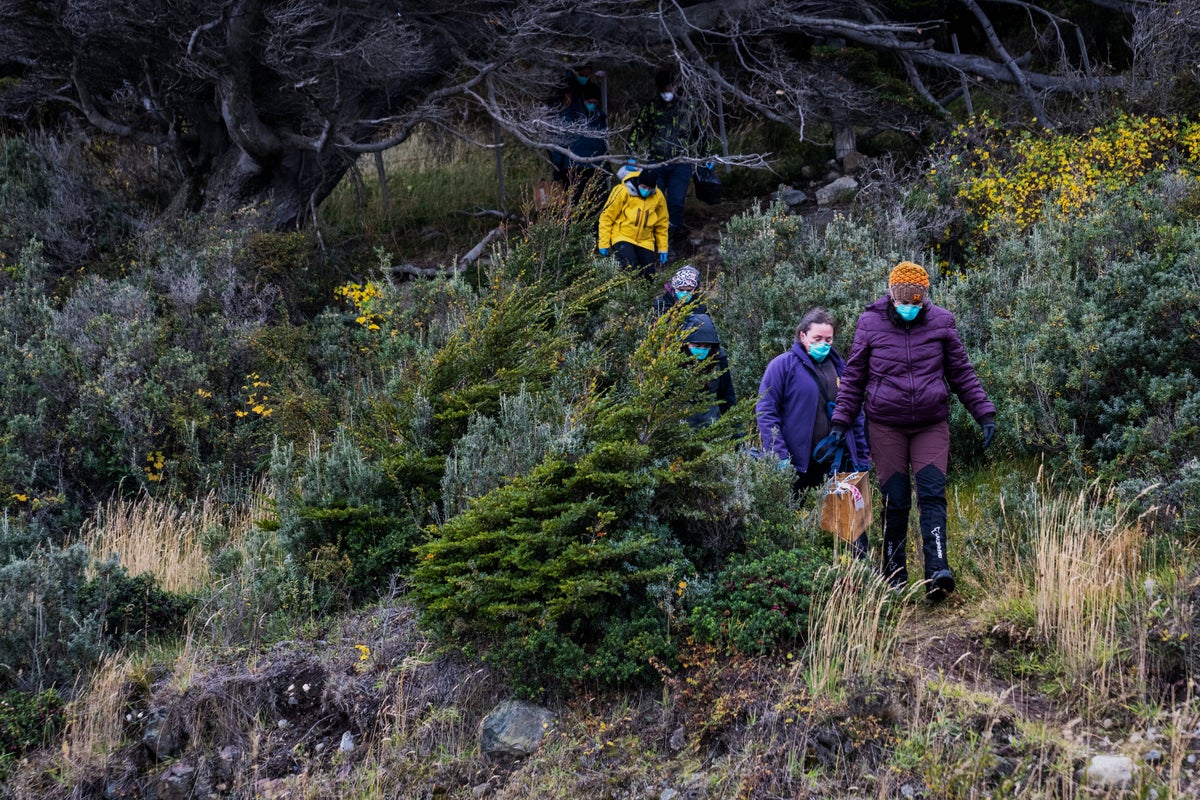
Argentina is expanding its investigation into a Hantavirus outbreak on a cruise ship From reproductive rights to climate change to Big Tech, The Independent is on the ground when the story is developing. Argentine authorities have expanded their investigation into a rare Hantavirus outbreak that struck an Atlantic cruise ship, dispatching scientists to the western province of Mendoza to trap and test rodents. The rare outbreak on the MV Hondius was caused by the Andes Hantavirus, a disease carried by rodents endemic to Argentina and Chile.
Crucially, it is the only Hantavirus thought to be capable of human-to-human transmission in some cases, making the investigation particularly urgent. As repatriated cruise passengers from more than 20 countries have disembarked and entered specialised quarantine centres, epidemiologists are meticulously examining the 11 confirmed Hantavirus cases. Shortly after news of the outbreak emerged, Argentina's Health Ministry identified Ushuaia as a possible source of the contagion and last month sent investigators from the Malbran government research institute to collect rodent samples in various wooded areas around the city.
While the Andes Hantavirus infects a few dozen people every year in the Patagonian region of Argentina further north, it has never been detected in Ushuaia or the wider archipelago of Tierra del Fuego. The World Health Organization has made clear that, given the low risk of transmission, the Hantavirus will not become a pandemic threat. However, experts stress that understanding the spread of this rare virus will provide invaluable insights for managing the disease in the future.
Source reference
Original reporting
Based on reporting from The Independent. Read the original source for full details.
Source published Jun 6, 5:31 AM EDT. Hantavirus Now reviewed reporting from The Independent and summarized the key points below.
Read original article