90-Second Read: WSU study finds high prevalence of Hantavirus in some parts of Pacific Northwest
Editorial voice
Noah Davidson
Published
Published May 21, 2026
Hantavirus has been in the headlines because of an outbreak of Andes virus on a cruise ship. While rare, Andes virus, which is found in South America and is a different species than SNV, is the only Hantavirus known to spread between people. Instead, health officials recommend ventilating spaces and using wet-cleaning methods to reduce the risk of inhalation. A recent study conducted in the Palouse region of Washington and Idaho found that nearly 30% of rodents showed evidence of past infection with the virus.
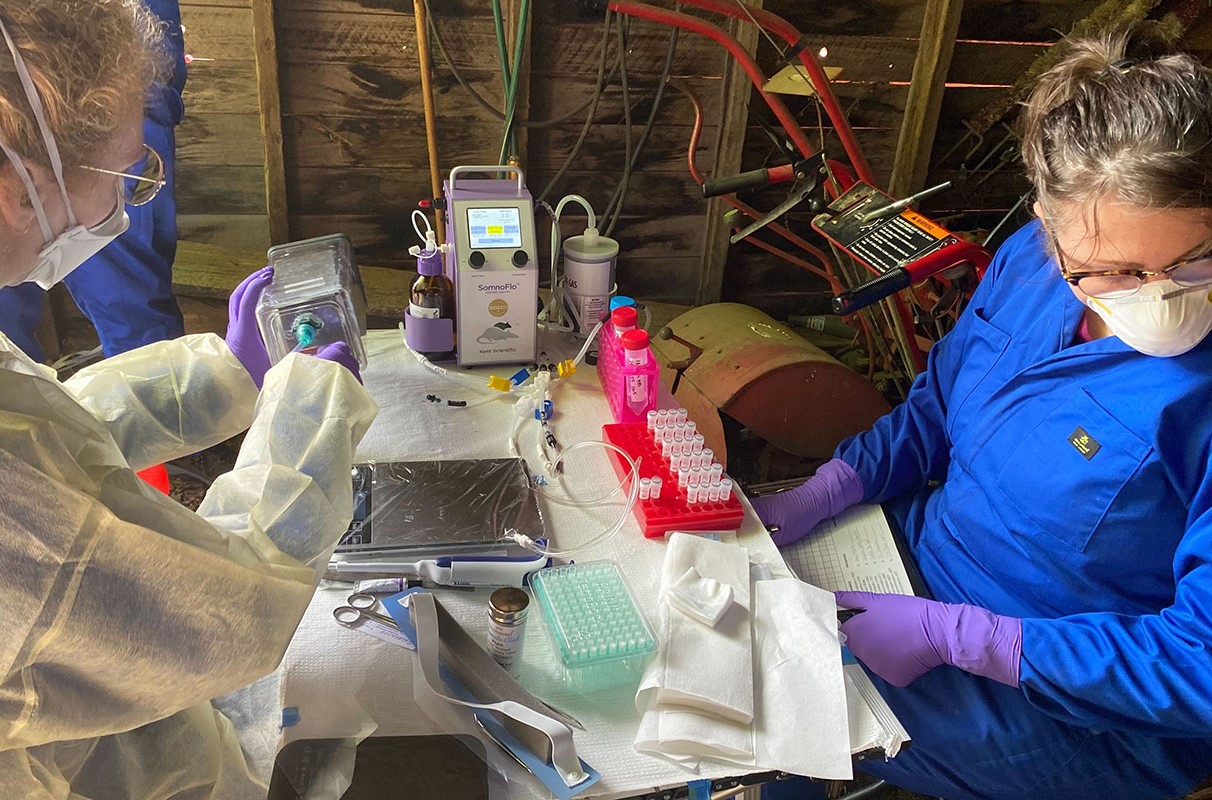
From 1993, 2022, 864 cases were reported in the U.S., with a 36% case-fatality rate. A total of 109 of those cases occurred in Idaho, Oregon and Washington. Field work for the study was done in the summer of 2023 when researchers trapped rodents across farms and natural areas in Whitman County, Washington, and Latah and Benewah counties in Idaho. Nearly a third of rodents in the Palouse showed evidence of past infection with the Sin Nombre virus, which can be fatal in humans.
Rodents can spread the virus among themselves through saliva and direct contact, but human infections typically occur when people inhale airborne particles from contaminated rodent droppings, urine or nesting materials. The information can help public health officials and scientists track how the virus evolves in the future, in addition to assisting in identifying sources of infection and improving surveillance and testing. Despite the relatively high prevalence of the virus in rodents, reports of human infections remain rare, which could indicate some infections are going unnoticed. The researchers hope to expand their work in the future if additional funding becomes available, including studying how often people are exposed and how human behavior influences risk.
In total, samples were collected from 189 animals, including deer mice, voles and chipmunks. The researchers also used the samples to produce the first full genome sequences of SNV strains from the Northwest. Sweeping or using equipment like leaf blowers in enclosed areas can be particularly hazardous.
Source reference
Original reporting
Based on reporting from WSU Insider. Read the original source for full details.
Source published May 21, 9:06 AM EDT. Hantavirus Now reviewed reporting from WSU Insider and summarized the key points below.
Read original article