90-Second Read: Ebola, Hantavirus… how eroding global health cooperation could threaten worse crises ahead
Editorial voice
Sofia Ramirez
Published
Published June 1, 2026
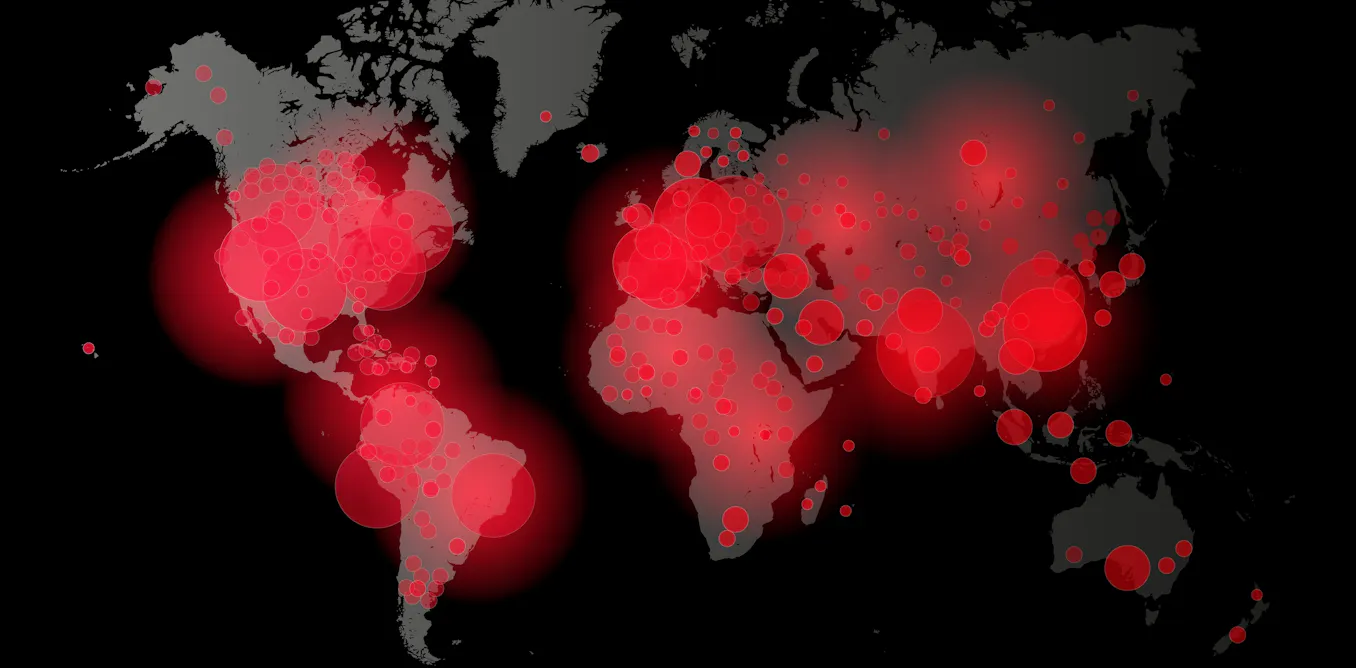
The recent Ebola and Hantavirus outbreaks, respectively in the Democratic Republic of Congo and Uganda, and on a cruise ship in the Atlantic Ocean, remind us that the next health crisis is never far away. They also illustrate the World Health Organization's key role in global coordination and the importance of international cooperation for more effective responses. The WHO declared the Ebola outbreak a "public health emergency of international concern", raising a global alert that the outbreak may require "a coordinated international response". Global health funding cracks do not bode well for pandemic governance as recent disease outbreaks are reminding us.
WHO had to reduce its 2026-27 budget by $1.1 billion (a 21% cut), on top of a previous 30-40% drop in global health aid from 2023 to 2025. But some experts argue that weaker cooperation and aid cuts will ultimately help the world become more prepared to tackle health crises. Dismantling global health cooperation and reducing aid will not advance any of these factors. One recent study predicts that the USAID shutdown could result, overall, in over 14 million extra deaths by 2030.
In January, the US, which was the WHO's biggest funder, formally completed its exit from the global health agency. Hence, besides direct aid cuts in health, core sectors for public health provision have also been hit hard. Weaker cooperation and aid cuts risk reducing institutional quality and international cooperation, the two key factors for better pandemic responses in the Global South. While it is still possible to revert the dismantling of global health cooperation and shrinking aid, we must prioritise a long-term strategy over short-term political considerations.
While not considered as a high-capacity country, during the pandemic, Ghana managed to act more effectively than expected, thanks to residual capacity acquired through cross-border collaboration and experiences with past health crises. Lessons from how Global South countries responded to Covid-19 tell us that a combination of institutional quality and international cooperation are crucial for successful crisis response. International cooperation, in turn, facilitated cross-border coordination and allowed countries to share resources and expertise, improving domestic ability to respond to the pandemic beyond what states could do on their own.
Source reference
Original reporting
Based on reporting from The Conversation. Read the original source for full details.
Source published Jun 1, 11:25 AM EDT. Hantavirus Now reviewed reporting from The Conversation and summarized the key points below.
Read original article