90-Second Read: Experimental Hantavirus Treatment Sent to Europe Through Partnership With Japan
Editorial voice
Sofia Ramirez
Published
Published May 28, 2026
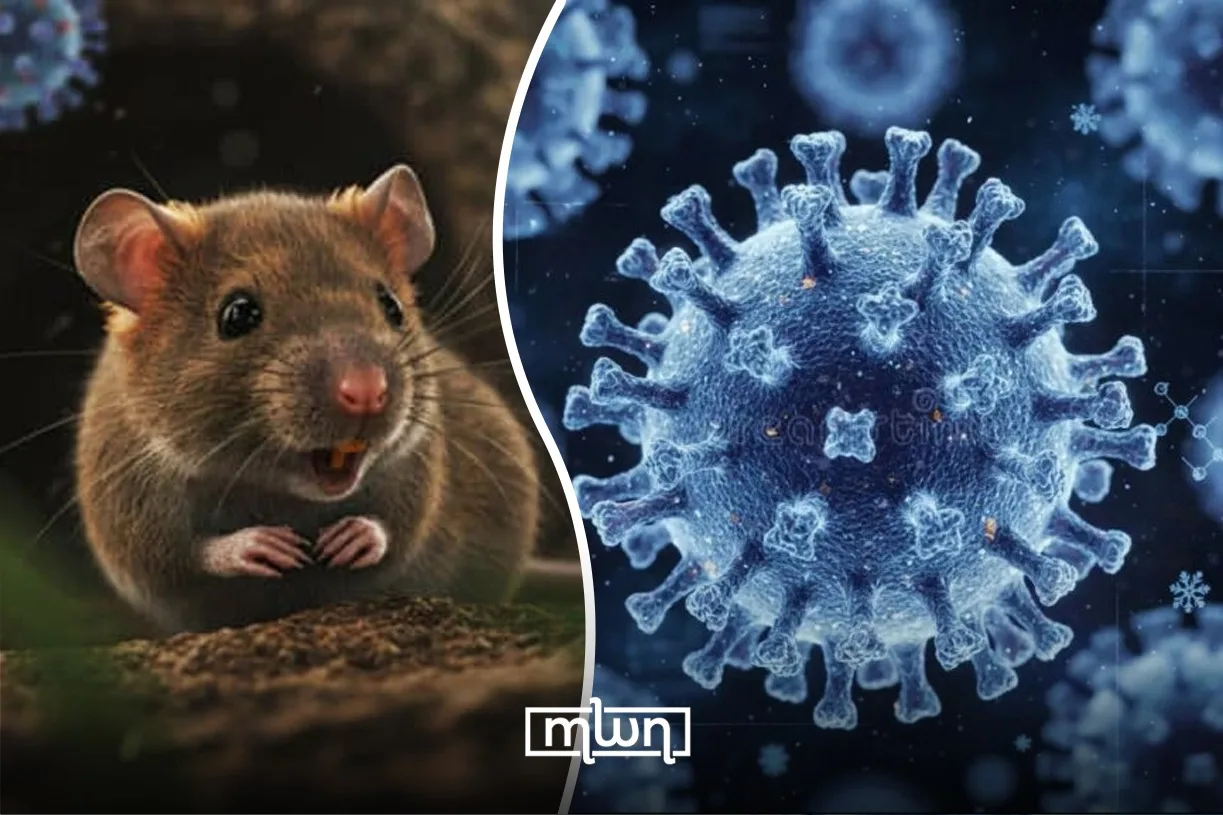
In a statement, the European Commission said the European Medicines Agency identified Favipiravir as the most promising candidate for use in clinical trials or compassionate treatment programs linked to Hantavirus infections. The move reflects growing international cooperation between European and Japanese health authorities to support scientific research and improve access to experimental treatments during health emergencies. Hantavirus is a rare but potentially dangerous disease that spreads mainly through contact with infected rodents, their urine, saliva or droppings. France, Spain and the Netherlands are among the first European countries expected to receive the treatment as health authorities continue efforts to strengthen medical preparedness and accelerate research into possible responses to the virus.
Officials said the shipment of the antiviral drug is part of wider efforts aimed at preparing healthcare systems for possible future outbreaks. Researchers are now examining whether the drug could help reduce severe complications linked to Hantavirus infections. Although infections remain relatively rare, health experts continue to warn about the risks associated with the virus due to the absence of approved treatments and the potentially high mortality rate in severe cases. Authorities are expected to continue monitoring the situation closely while evaluating the effectiveness of Favipiravir in future clinical studies.
Favipiravir was originally developed as an antiviral medication for influenza and has since been studied for use against several viral diseases. People can become infected after inhaling contaminated particles in closed or poorly ventilated areas. Symptoms often begin with fever, headaches, muscle pain and fatigue before developing into more serious respiratory problems in severe cases. European officials said scientific cooperation and rapid information sharing remain essential to advancing research and strengthening emergency response capacities against emerging infectious diseases.
Source reference
Original reporting
Based on reporting from Morocco World News. Read the original source for full details.
Source published May 28, 2:26 PM EDT. Hantavirus Now reviewed reporting from Morocco World News and summarized the key points below.
Read original article