90-Second Read: Hantavirus exposure risk may be higher than believed in parts of US, study finds
Editorial voice
Sofia Ramirez
Published
Published May 22, 2026
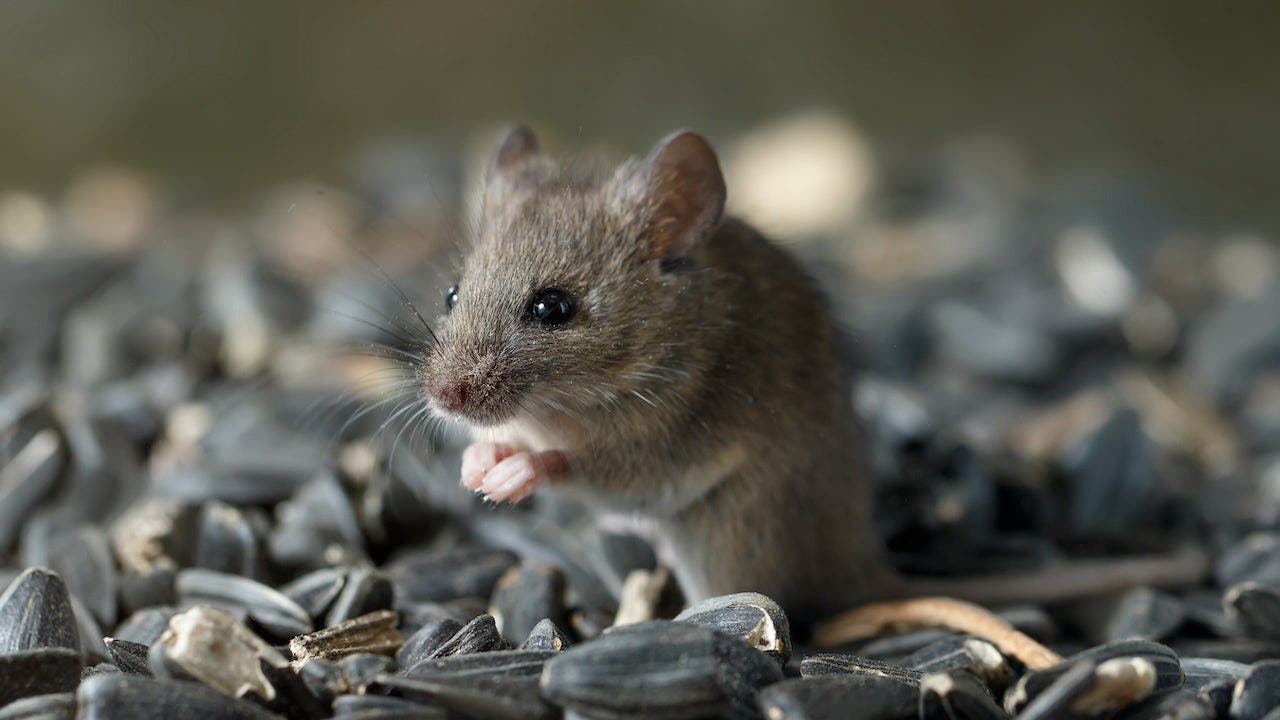
Researchers found unusually high Hantavirus levels in rodents in the Palouse region of eastern Washington and north-central Idaho, raising exposure concerns. Hantavirus outbreak on cruise ship, physician discusses false positive Researchers found unusually high Hantavirus levels in rodents in the Pacific Northwest, suggesting greater exposure risk in the surrounding agricultural communities. The study suggests the need for expanded Hantavirus monitoring in the Pacific Northwest, especially in agricultural areas.
Researchers from Washington State University's College of Veterinary Medicine found unexpectedly high levels of Sin Nombre virus (SNV), which is the strain most strongly linked to Hantavirus pulmonary syndrome (HPS), among local rodent populations. Nearly 30% of sampled rodents showed evidence of prior exposure and about 10% had active infections, according to the study press release. This is different from the Andes virus, the strain linked to the recent outbreak on board the MV Hondius cruise ship.
Andes virus is the only Hantavirus that is capable of spreading between people through close, prolonged contact. Vásquez, File) Although similar findings have been reported in other regions, this is the first study to reveal the pattern in this part of the country, Bartolome noted. The area with the biggest prevalence is the Palouse region, which includes parts of eastern Washington and north-central Idaho in the Pacific Northwest.
Source reference
Original reporting
Based on reporting from Fox News. Read the original source for full details.
Source published May 22, 7:00 AM EDT. Hantavirus Now reviewed reporting from Fox News and summarized the key points below.
Read original article