90-Second Read: Hantavirus Outbreak Highlights Person-to-Person Transmission Risks
Editorial voice
Sofia Ramirez
Published
Published May 13, 2026
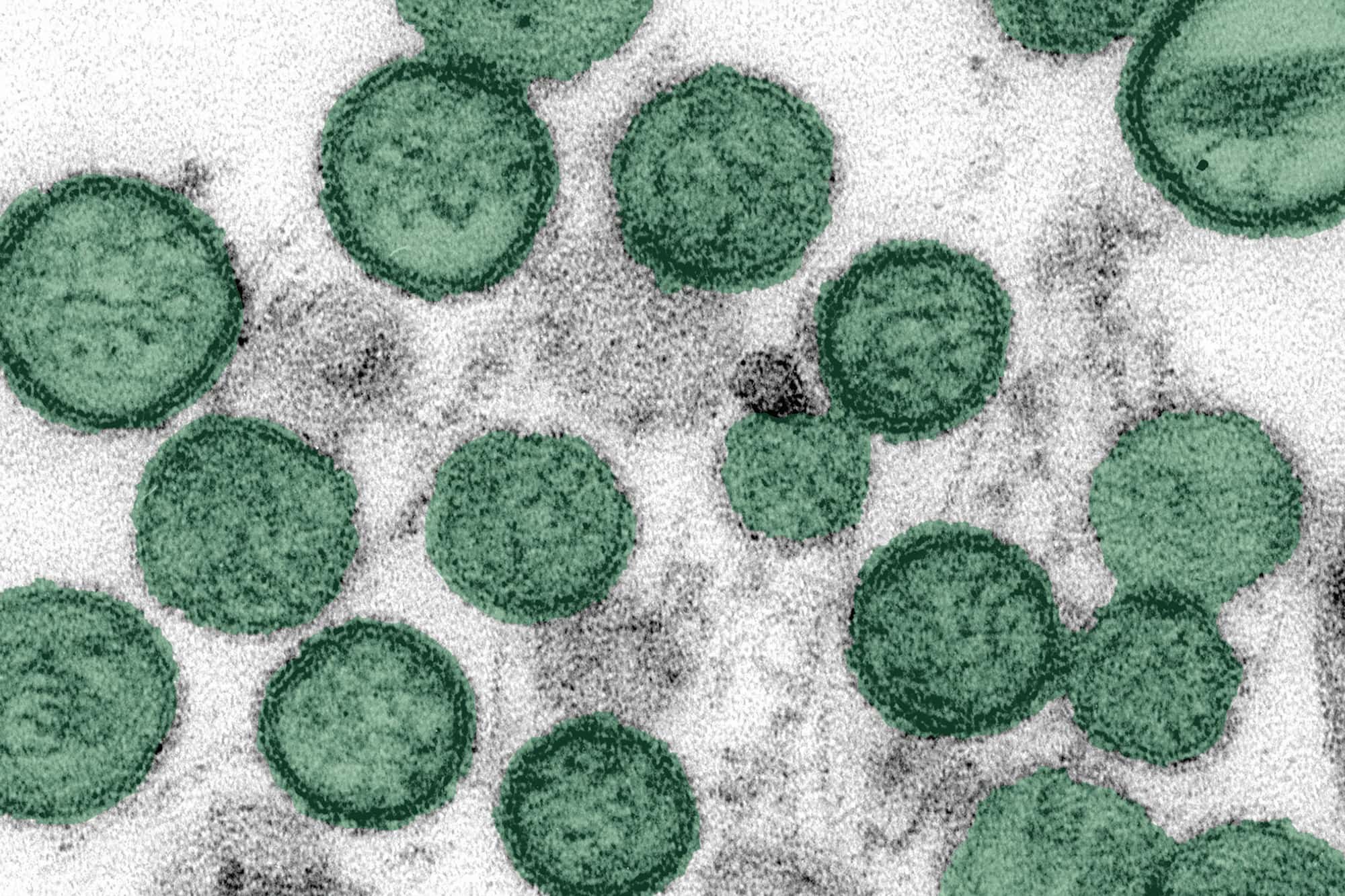
A recent cruise ship outbreak of the Andes Hantavirus strain underscores the potential for silent spread in travel networks. An outbreak of Andes Hantavirus aboard the international MV Hondius cruise ship reveals how little is known about viruses circulating in wild rodent populations before they reach human populations, according to a report from Virginia Tech. Determining the true size of an outbreak remains difficult because Hantaviruses can produce asymptomatic or mild infections in addition to severe illness. While most Hantaviruses infect humans through animal-to-human transmission, the Andes strain is capable of spreading between people.
Similar to other severe respiratory viruses, Hantavirus can trigger an excessive inflammatory response. Because hospitalization data only captures the most severe cases, the actual scale of an outbreak is often underestimated. Researchers require more baseline data on Hantaviruses in wild rodents to determine if new outbreaks are driven by environmental changes or increased human exposure. However, variants found in the Americas show greater ecological plasticity, meaning rodents can transmit the virus across a wider range of species.
This biological flexibility highlights global vulnerabilities in interconnected travel networks and suggests that current public healthcare models may fail to predict spillover events. This high fatality rate makes rapid containment and international coordination essential for global public healthcare safety. The incubation period also allows for silent transmission, which complicates containment strategies. Environmental changes and increased human mobility suggest that outbreaks linked to wildlife-origin pathogens may become more frequent.
In parts of southern Chile, mortality among hospitalized patients can approach 60%. Escobar noted that human behaviors, rather than viral evolution, appear to be the primary drivers of transmission in recent events. The US National Academy of Medicine has warned that the world remains poorly prepared for another pandemic.
Source reference
Original reporting
Based on reporting from respiratory-therapy.com. Read the original source for full details.
Source published May 11, 12:51 PM EDT. Hantavirus Now reviewed reporting from respiratory-therapy.com and summarized the key points below.
Read original article