90-Second Read: How worried should we be about Hantavirus?
Editorial voice
Sofia Ramirez
Published
Published May 13, 2026
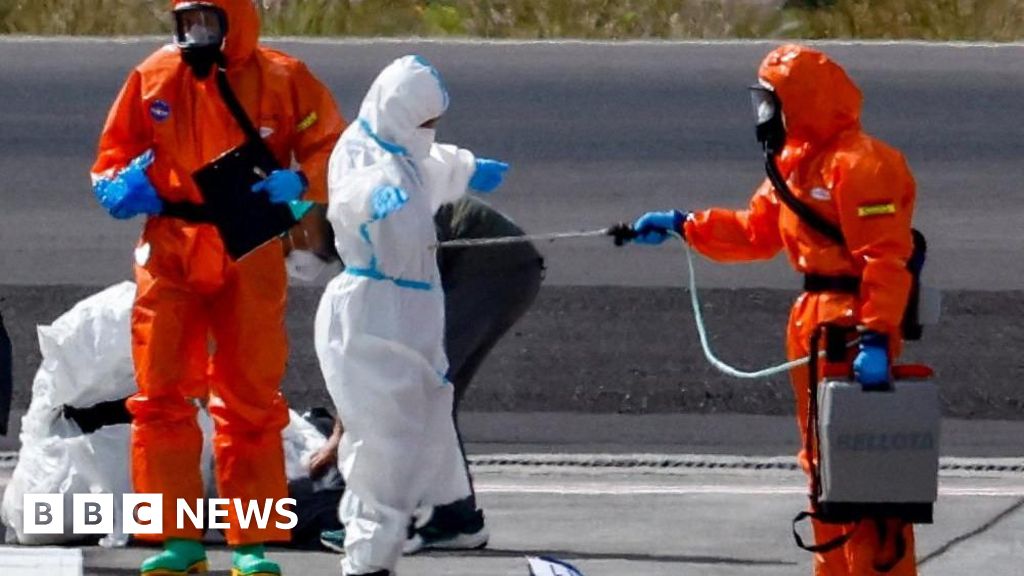
Passengers potentially exposed to Hantavirus are being repatriated, so what is the risk to the wider public? Passengers from the cruise ship struck by a Hantavirus outbreak have been evacuated and sent to their home countries to isolate and receive medical treatment if necessary. There is "no sign" of a larger Hantavirus outbreak after the evacuation of the last passengers from a disease-stricken cruise ship, the head of the UN health agency has said. The World Health Organisation's chief Tedros Adhanom Ghebreyesus says "the situation could change" and there could still be more confirmed virus cases.
Hantavirus is not spread in the outside world through everyday social contact like walking in public spaces, shops, workplaces, or schools, the UK Health Security Agency (UKHSA) says. One Spaniard who is quarantining in Madrid after being evacuated from the vessel had also provisionally tested positive for Hantavirus on Monday, Spain's health ministry said. An American passenger travelling to the US has begun showing mild symptoms of Hantavirus and another has tested mildly positive for the Andes strain of the virus. Some other passengers from MV Hondius left on earlier flights or connections and their contacts are now being traced as a precaution.
Officials say the risk of the infection spreading to the general public remains low. Human-to-human spread is possible but the risk of infections globally remains low, says WHO. Hantavirus typically spreads from rodents, with people infected by breathing in air contaminated with virus particles from rodent urine, droppings, or saliva. Experts have observed the Andes strain spreading between human patients in previous outbreaks, through very close contact, and health experts believe that some of the infections on board MV Hondius may have passed between people.
Three passengers have died after travelling on the ship, two of whom were confirmed to have had the virus. The three deaths include a Dutch woman who left the MV Hondius when it stopped at the island of St Helena on 24 April. People or "contacts" who may have been exposed to the infection, including on the boat, in hospital or on any of the flights that passengers took, will be monitored.
Source reference
Original reporting
Based on reporting from BBC. Read the original source for full details.
Source published May 11, 7:25 PM EDT. Hantavirus Now reviewed reporting from BBC and summarized the key points below.
Read original article