90-Second Read: Inside America’s Only Federal Quarantine Unit for Hantavirus Cruise Passengers
Editorial voice
Sofia Ramirez
Published
Published May 13, 2026
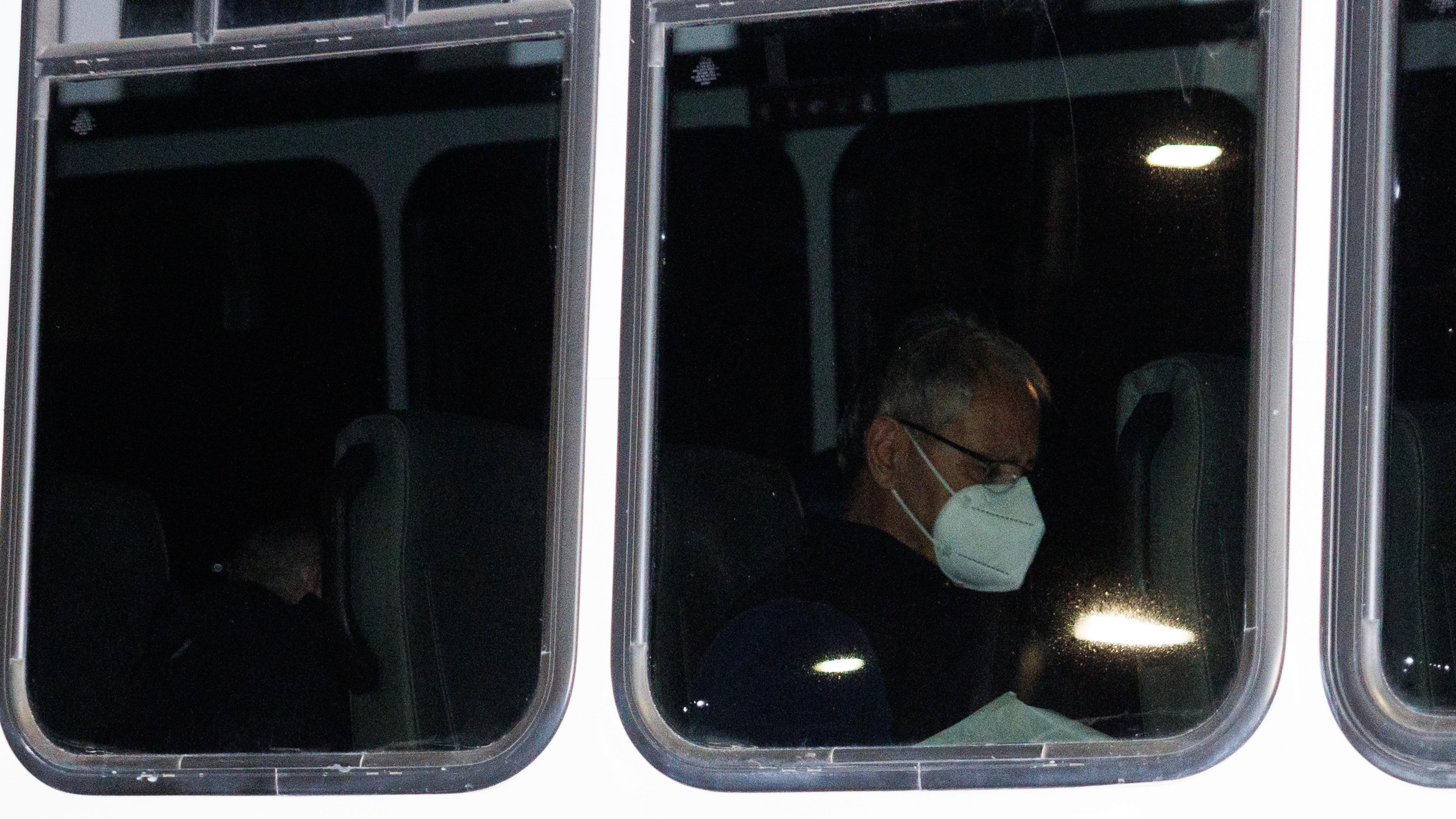
Sixteen passengers evacuated from the cruise ship linked to the growing Andes Hantavirus outbreak are now being monitored inside Nebraska Medicine's highly specialized federal quarantine unit, the only facility of its kind in the United States. The unit, designed to contain some of the world's deadliest infectious diseases, previously treated Ebola patients and some of the first Americans infected with COVID-19 aboard the Diamond Princess cruise ship. The Andes strain is the only known Hantavirus capable of spreading from person to person. If, during those 42 days, the person is determined to be negative and asymptomatic and can be monitored in their home state, they would not travel commercially.
Transmission of Andes Hantavirus has only been documented from symptomatic individuals, people who are actively ill, to others who have had prolonged, close contact, generally defined as at least 15 minutes within six feet. If they develop symptoms at any point, they will undergo Hantavirus testing, including PCR testing. As this trip was an expedition and it went on for quite some time, it is possible they were exposed, and their own immune system was able to fight off the Hantavirus. The American citizens were wearing personal protective equipment, so wearing gowns, masks, eye protection.
Michael Ash, CEO of Nebraska Medicine, about how the quarantine unit operates, how staff prevent the virus from escaping containment, and what experts currently understand about the risks posed by the Andes strain. Of the sixteen Americans that came to University of Nebraska Medical Center, one had tested positive in another country. The 15 asymptomatic patients who tested negative were put into quarantine. That will all be done in conjunction with ASPR (Administration for Strategic Preparedness and Response, an operating agency under the HHS that responds to public health emergencies).
Everyone currently in quarantine will remain there until authorities are confident they are no longer transmissible. The Davis Global Center at the University of Nebraska Medical Center campus, which holds the National Quarantine Unit, is seen on May 11, 2026 in Omaha, Nebraska. We worked in conjunction with the CDC and the public health labs to be able to test for the specific [Andes] strain.
Source reference
Original reporting
Based on reporting from Time Magazine. Read the original source for full details.
Source published May 11, 4:52 PM EDT. Hantavirus Now reviewed reporting from Time Magazine and summarized the key points below.
Read original article