90-Second Read: More than a quarter of mice on the Palouse show signs of previous Hantavirus infection, WSU study finds
Editorial voice
Sofia Ramirez
Published
Published May 25, 2026
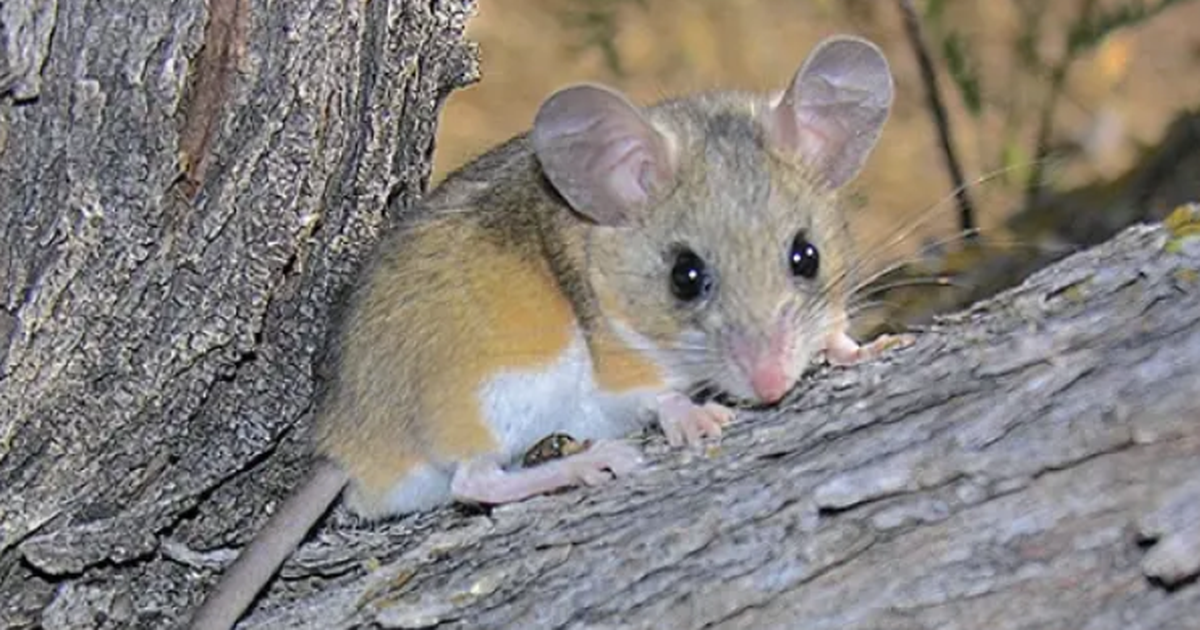
Unusually high Hantavirus levels were found in mice across the Palouse, according to a recent Washington State University study. The WSU study found 29% of deer mice had signs of past Hantavirus infection across farms and natural areas in Whitman County, Washington, and Latah and Benewah counties in Idaho. A Virginia Tech study published last year found 13.4% of rodents across the United States showed signs of previous Hantavirus infection.
Human infection of Hantavirus is rare, but with the level of infection within the rodent population, it will remain "endemic" among the deer mice of the region, she said. Mice and other animals carrying the disease typically do not get sick, but humans are at high risk of death if they contract Hantavirus. The dominant form of Hantavirus in North America is the Sin Nombre strain, which is spread by the deer mouse.
There are no documented cases of human-to-human transmission of Sin Nombre Hantavirus. People may be exposed more often than we realize, but severe cases are more likely to be tested for Hantavirus. Study co-author Stephanie Seifert said she was "surprised" by how common the virus is in Eastern Washington and how little data there was in the Pacific Northwest.
Source reference
Original reporting
Based on reporting from The Spokesman-Review. Read the original source for full details.
Source published May 25, 5:30 AM EDT. Hantavirus Now reviewed reporting from The Spokesman-Review and summarized the key points below.
Read original article