90-Second Read: Spectrum of Gastrointestinal, Hepatobiliary, and Pancreatic Involvement in Hantavirus Infection: A Narrative Review
Editorial voice
Sofia Ramirez
Published
Published June 6, 2026
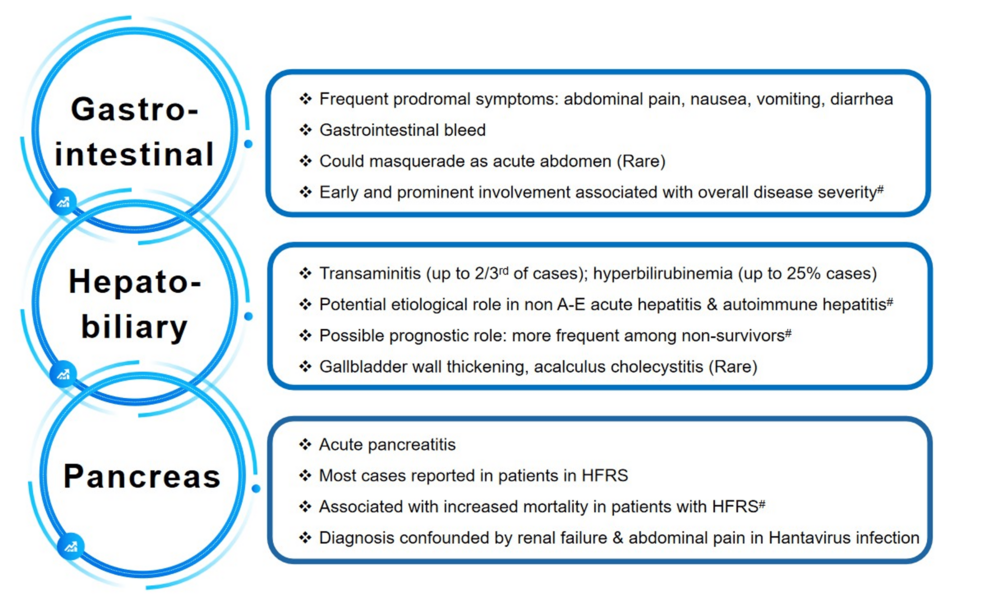
Gastrointestinal (GI), hepatobiliary, and pancreatic manifestations, though frequent, have garnered less attention in patients with Hantavirus infections. This narrative review summarizes the available literature on GI and hepatopancreatic involvement in Hantavirus infection. Eligible studies included observational studies, systematic reviews, meta-analyses, case series, and case reports describing GI, hepatic, biliary, or pancreatic manifestations in human Hantavirus infection. Hantavirus infection is a zoonotic, rodent-transmitted viral disease that presents with two distinct clinical syndromes: hemorrhagic fever with renal failure (HFRS) and Hantavirus pulmonary syndrome (HPS).
A comprehensive review of the literature published between 2000 and May 2026 was conducted using PubMed. The literature review identified GI symptoms among the earliest and most frequent prodromal manifestations of Hantavirus disease. Gallbladder wall thickening, acalculous cholecystitis, instances of Hantavirus-triggered autoimmune hepatitis, and acute pancreatitis have also been reported. Nausea, vomiting, abdominal pain, and diarrhea often precede organ-specific complications by several days.
Hepatic involvement most frequently manifests as transient elevations in aminotransferase levels and, less frequently, as hyperbilirubinemia. Limited evidence links early and prominent GI symptoms and transaminitis with more severe disease and a worse prognosis. A high index of suspicion in patients with GI symptoms may facilitate earlier diagnosis and allow risk stratification. Cureus provides an equitable, efficient publishing and peer reviewing experience without sacrificing publication times.
Current management strategies are primarily supportive, including renal replacement therapy for severe renal injury and ventilatory support and extracorporeal membrane oxygenation for severe pulmonary disease. Generate broad awareness and deliver relevant, peer-reviewed clinical experiences directly to potential customers. Offering a variety of advertising and sponsorship options for reaching influential specialists from targeted demographic splits.
Source reference
Original reporting
Based on reporting from Cureus. Read the original source for full details.
Source published Jun 6, 9:08 AM EDT. Hantavirus Now reviewed reporting from Cureus and summarized the key points below.
Read original article